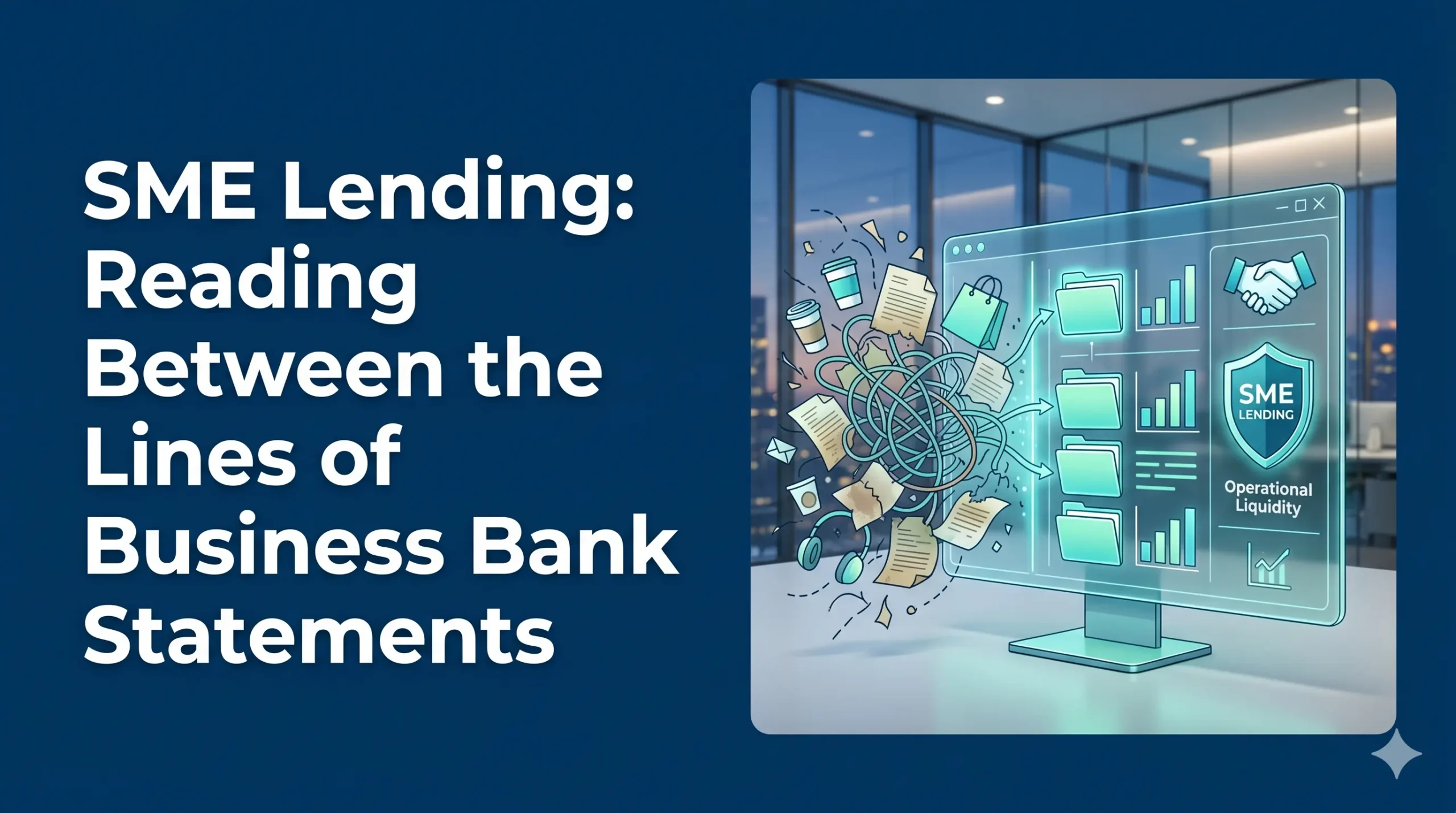
Most SME owners view their bank statements as a historical record—a simple trail of where the money went. Lenders, however, see them as a crystal ball.
When you apply for SME lending, the credit analyst isn’t just looking at your total revenue. They are reading between the lines to find the “narrative” of your business. High-revenue firms are often surprised by a rejection, unaware that their transaction history was whispering red flags.
To secure the capital you need, you have to understand the story your data is telling. Here is how to decode your statements before the lender does.
The Anatomy of Creditworthiness: More Than Just a Bottom Line
Revenue is a vanity metric; liquidity is sanity. In the world of SME lending, lenders prioritize operational liquidity—your ability to meet immediate obligations without breaking a sweat.
An analyst looks at how money moves through your accounts, not just how much is left at the end of the month. They want to see “bankable” cash flow—funds that are consistently available and not tied up in long-term receivables or erratic cycles. If your balance sheet shows profit but your bank statement shows a constant struggle to stay above zero, the lender sees a high-risk profile.
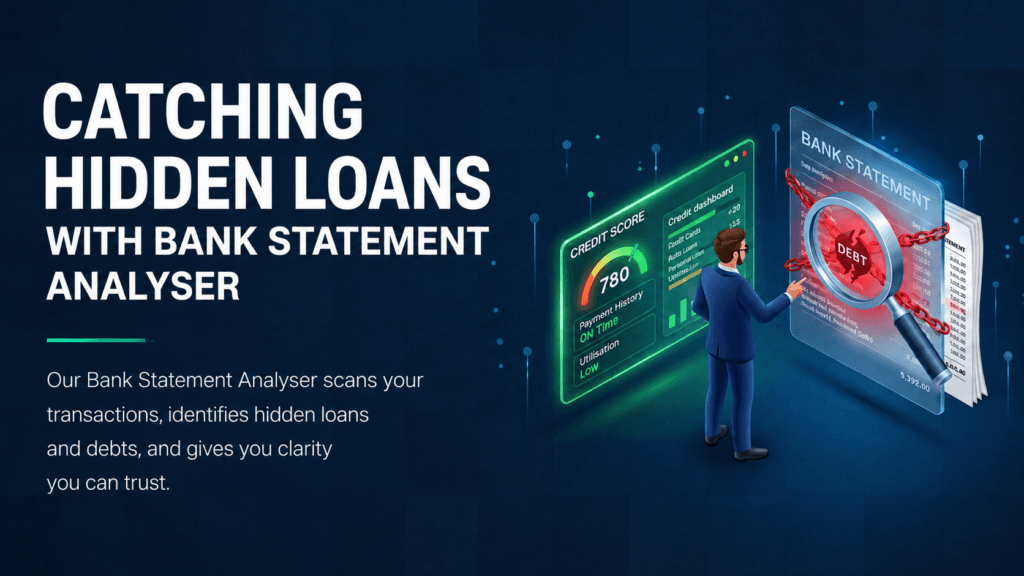
Explore how to automate this process and get actionable insights with our bank statement analyser – Start today.
3 Red Flags Lenders Spot (And How to Fix Them)
Lenders are trained to look for patterns of instability. According to guidelines often emphasized by institutions like Investopedia, consistent cash flow is the primary indicator of a healthy debt-servicing capacity. Here are the three most common triggers for a “no.”
1. Erratic Transaction Patterns
Lenders love “boring” businesses. They look for consistent, predictable daily or weekly deposits. If your revenue is “lumpy”—meaning you receive one massive payment every three months—it signals a potential feast-or-famine cycle.
2. The Debt-to-Income Ratio (DTI) Trap
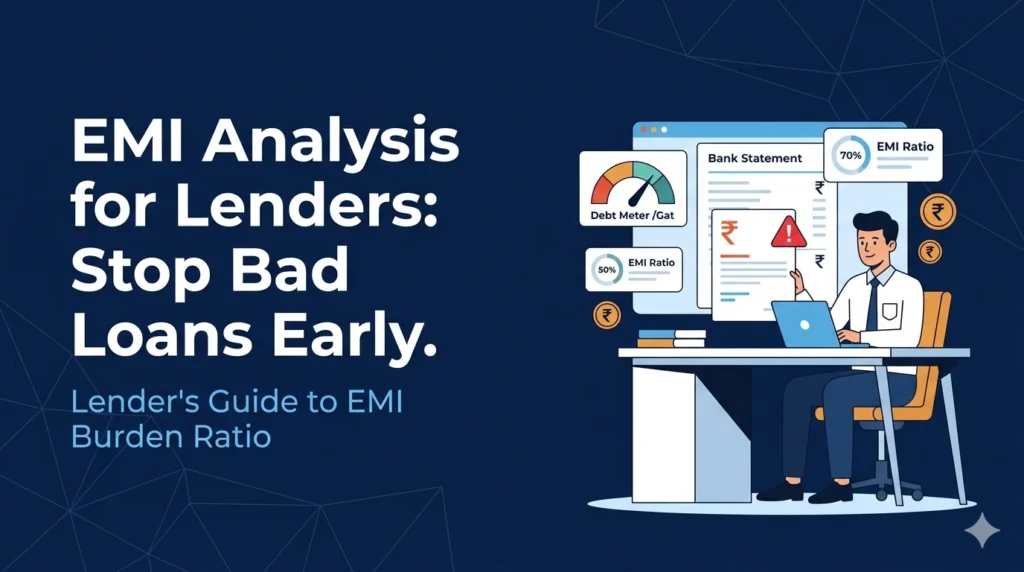
Your debt-to-income ratio is a snapshot of your breathing room. If your statements show multiple daily or weekly debits to other short-term lenders, you are likely “stacking” debt. This suggests your cash flow is already spoken for, leaving little margin for a new credit line.
3. Non-Sufficient Funds (NSF) and Overdrafts
This is the ultimate deal-breaker. Even a single “bounced” payment or an NSF fee in the last 90 days can reset your eligibility. To a lender, an NSF suggests a lack of oversight or a genuine cash crisis.
If you want to explore this further, check out our blog on understanding the impact of credit scores on business loans.
Decoding Cash Flow Analysis: The Velocity of Capital
Beyond red flags, lenders perform a deep cash flow analysis to measure the “velocity” of your capital. They are specifically looking at your working capital management.
Are you paying your suppliers in 15 days while your customers pay you in 45? This gap creates a “burn rate” that can swallow a loan whole. Lenders often refer to the Reserve Bank of India’s MSME lending frameworks to calculate “buffer days”—the amount of time your business could survive if all incoming revenue suddenly stopped.
| Healthy Indicators | Concern Indicators |
| Diverse customer base (multiple deposit sources) | Revenue concentration (one client = 80% of income) |
| Increasing month-on-month ending balances | Frequent “low balance” alerts or round-number transfers |
| Clear separation of business and personal spend | Commingled funds or high director drawings |
👉 Want to see how our Bank Statement Analysis tool can simplify your workflow? Try it now!
Preparing Your Statements for a Successful Application
You wouldn’t walk into a board meeting without preparing your deck; don’t hand over your bank statements without an audit.
- Clean the Window: Lenders typically look at the last 3–6 months. Ensure this period is free of overdrafts and unnecessary “lumpy” large purchases.
- Decouple Expenses: If you are still using your business account for personal coffee runs or subscriptions, stop. It clutters the data and makes operational liquidity harder to calculate.
- Explain the Anomalies: If you had a one-time dip due to a strategic equipment purchase, have the invoice and explanation ready.
If you’re looking for more tips on financial documentation, check out our guide on essential documents for SME loan applications.
Conclusion: Building a Narrative Through Data
In SME lending, your bank statement is your most honest advocate. It tells a story of discipline, foresight, and management quality. By understanding how to read between the lines, you can move from being a “risky borrower” to a “strategic partner.”
Before you export that PDF for your next application, take a hard look at the last 90 days. Does the story match your goals?
👉 Simplify your financial assessments and get started with our Bank Statement Analysis today.