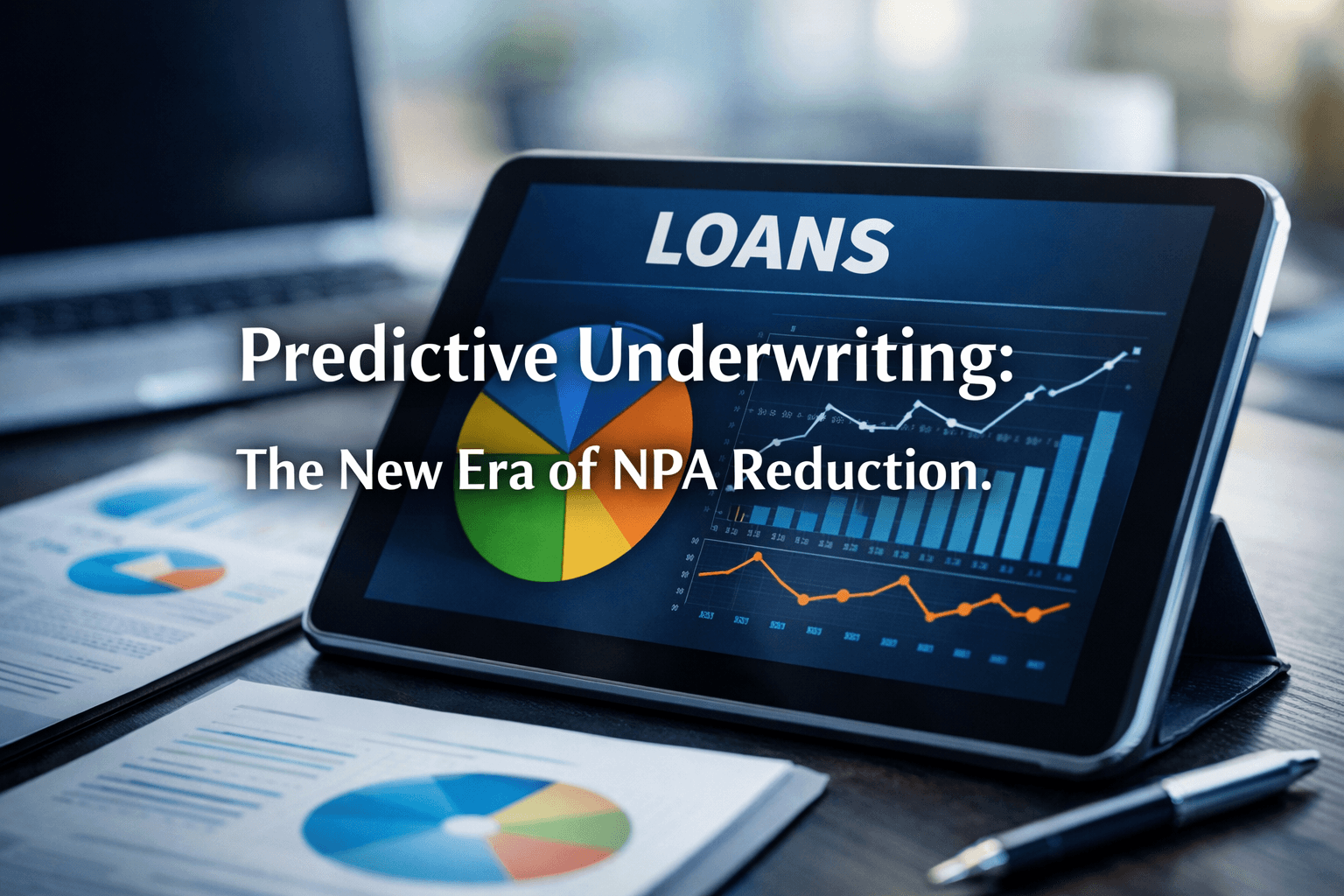
In the competitive lending landscape of 2026, the margin for error has vanished. While digital lending volumes are at an all-time high, the challenge of maintaining asset quality remains the top priority for Banks and NBFCs. The secret to sustainable growth isn’t just lending more. it’s lending smarter.
The most effective strategy for NPA reduction today isn’t found in aggressive collection tactics; it’s hidden within the thousands of lines of raw transactional data. By leveraging an advanced bank statement analyser, lenders are shifting from “detecting defaults” to “predicting risk.”
1. Beyond the Credit Bureau: Spotting Early Warning Signs
Traditional credit scores are lagging indicators, they tell you what happened 30 to 90 days ago. To achieve significant NPA reduction, you need leading indicators.
An AI-powered bank statement analyser identifies “stress signals” long before a bounce occurs. These include:
- Dwindling Average Quarterly Balances (AQB): A steady decline in liquidity over three months.
- Increased Cash Withdrawals: A sudden spike in ATM usage often signals a shift toward unmonitored spending.
- Hidden Obligations: Detecting recurring “low-value” EMI deductions to unregulated BNPL platforms.
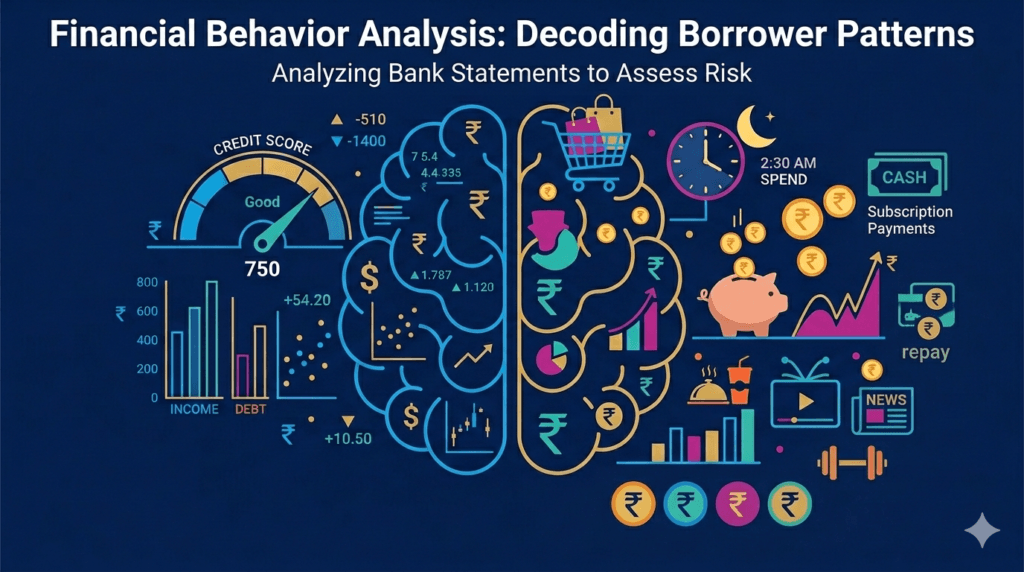
By understanding these patterns, lenders can move beyond static numbers. For a deeper look at how this data creates a 360-degree profile, explore our guide on Financial Behaviour Analysis: The Future of Risk Assessment.
2. Eliminating “Circular Trading” and Document Fraud
One of the primary drivers of NPAs in MSME lending is “round-tripping” or circular trading, where a borrower moves funds between sister concerns to artificially inflate turnover.
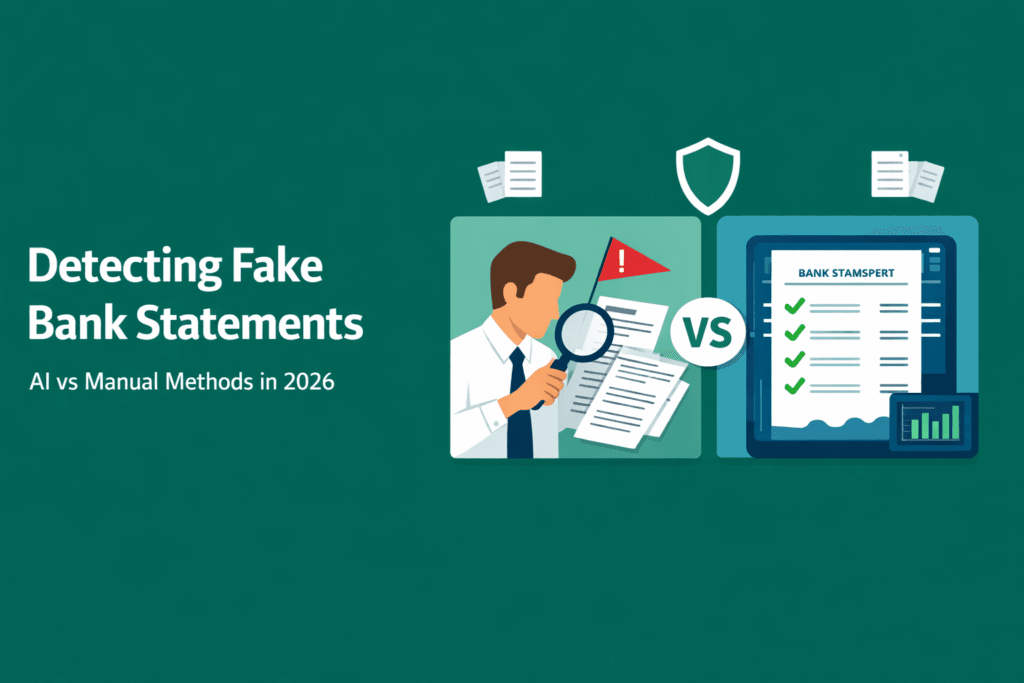
Manual scrutiny rarely catches these complex webs. However, automated transaction categorization flags these related-party transactions instantly. Furthermore, modern fraudsters use sophisticated tools to “doctor” PDFs. Relying on the human eye is no longer enough; you can learn more about the specific risks in our detailed breakdown of Bank Statement Fraud Detection: 5 Things Manual Reviews Miss.
3. Real-Time FOIR Calculation for Accurate Underwriting
Over-leveraging is a leading cause of defaults. To ensure NPA reduction, lenders must calculate the Fixed Obligation to Income Ratio (FOIR) with 100% accuracy.
An automated bank statement analyser parses months of data in seconds to:
- Categorize non-disclosed loan repayments.
- Separate volatile income from stable monthly earnings.
- Calculate “Net Disposable Income” after factoring in lifestyle expenses.
Risk Insight: In 2026, lenders using automated financial spreading have seen a 22% decrease in first-payment defaults (FPD) compared to those relying on manual PDF reviews.
4. The Role of “Lifestyle Discipline” in Risk Assessment
In the era of the gig economy, traditional salary slips are becoming obsolete. Modern NPA reduction strategies involve analyzing “behavioral discipline.”
Does the applicant have frequent “insufficient balance” penalties? Do they prioritize utility bills over luxury subscriptions? Automated tools turn these nuances into a “Risk Score” that supplements the traditional credit score, providing a holistic view of the borrower’s intent to pay.
Summary: The Underwriter’s NPA Reduction Checklist
To harden your risk framework in 2026, ensure your process includes:
- Automated Fraud Detection: Verify PDF metadata to ensure statements aren’t tampered with.
- EMI Tracking: Identify all active loan obligations across all bank accounts.
- Trend Analysis: Compare the last 6 months of cash flow to identify negative momentum.
If you are evaluating new technology to support these goals, make sure to review The Essential Features of a Modern Bank Statement Analyzer to ensure your team has the right tools for the job.
The Bottom Line
In 2026, NPA reduction is a data science problem. Lenders who continue to manually “eye-ball” bank statements are not just slow, they are exposed to systemic risk. Integrating a robust Bank Statement Analyzer into your Loan Origination System (LOS) is no longer a luxury; it’s a survival requirement.
Ready to see how our AI-driven insights can slash your delinquency rates?