
RIYAS BABU
Author: RIYAS BABU

·
How RegTech Solutions Are Revolutionizing Financial Compliance Automation in 2025
In finance, compliance is non-negotiable — but it’s also complicated.Every regulation update, audit, and policy change adds another layer of complexity for banks, NBFCs, and fintechs. Manual compliance processes no longer cut it. They’re slow, costly, and error-prone.That’s where RegTech — or Regulatory Technology — is stepping in. RegTech solutions for financial compliance are reshaping
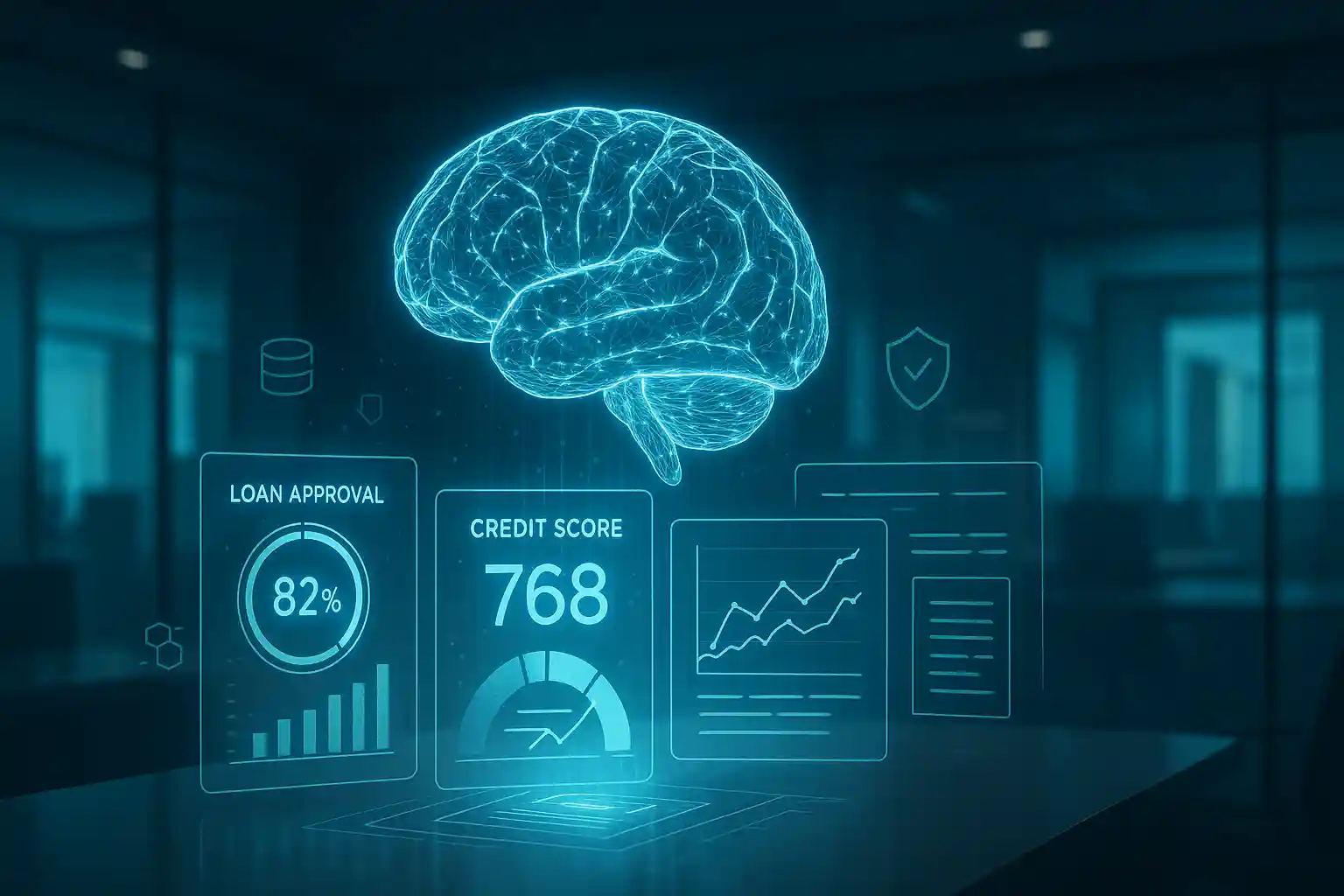
Explainable AI in Lending: The Rise of Integrated Financial Intelligence for Transparent Credit Decisions
Lending is getting a conscience – and it starts with clarity. For decades, credit systems worked like locked vaults. A loan would be approved or rejected, but borrowers rarely knew why. Even relationship managers struggled to explain how the algorithm weighed one factor against another. As digital lending exploded, this lack of visibility became a

Beyond Income: Why Volatility Score Is the Future of Credit Risk Analysis
For years, lenders have relied on income statements to judge repayment capacity. Yet defaults persist—even among borrowers with stable, high salaries. Income shows earning power, not financial discipline. The real indicator of repayment reliability is cash-flow stability, not static income data. This is where the Volatility Score transforms credit assessment. It provides a sharper, data-driven

Buy Now, Pay Later (BNPL) in 2025: The Complete Guide for Smarter, Safer Lending
What Exactly Is BNPL? The term Buy Now, Pay Later (BNPL) has redefined how modern consumers shop and borrow. In simple terms, this pay-later model lets customers purchase what they need instantly and split payments into smaller, manageable parts – often without interest or credit card requirements. Imagine buying a ₹20,000 smartphone, paying only ₹5,000

How AI-Powered GST Tools Are Revolutionizing Compliance & Tax Analysis
Remember when GST filing felt like juggling spreadsheets, receipts, and late-night panic?Those days are (thankfully) fading fast. Artificial Intelligence has quietly slipped into the taxation scene, and it’s changing how businesses handle compliance forever.Today’s GST tools aren’t just calculators — they’re intelligent systems capable of spotting mismatches, preventing errors, and offering deep financial insights in
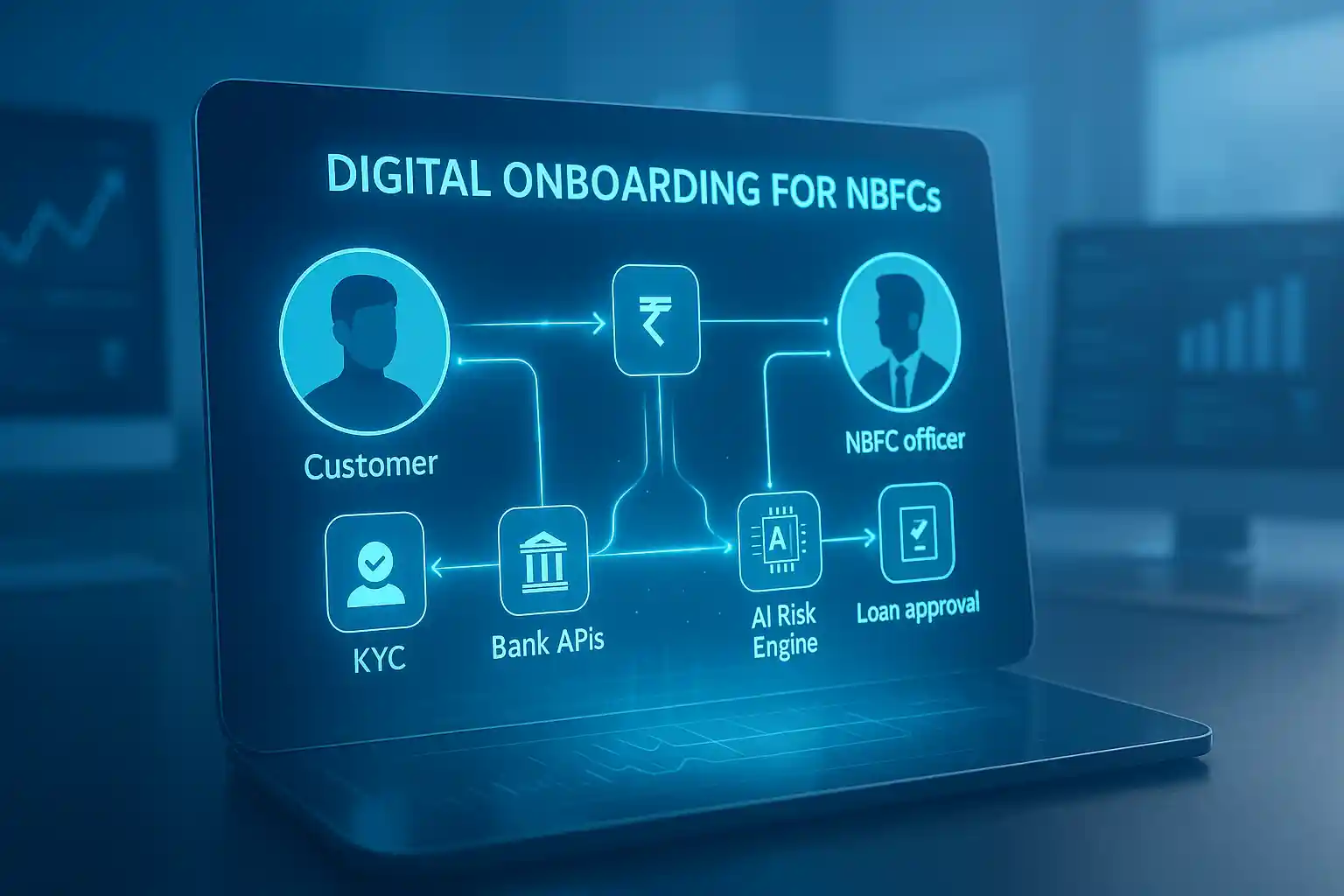
🏦 Digital Onboarding for NBFCs: Moving Beyond PDFs to Real-Time Data
If digital onboarding still means uploading PDFs and waiting for manual verification, it’s not really digital. It’s just digitized paperwork. And in 2025, NBFCs can’t afford that illusion anymore. Modern borrowers expect speed, trust, and frictionless experiences. The lenders delivering all three aren’t relying on static files – they’re running on real-time data pipelines that

·
Real Financial Stories: Success and Failure With Bank Statement Analysis
Financial fraud is a growing concern for businesses worldwide, and hidden losses often go undetected due to weak financial oversight. In this blog, we explore real-life incidents of financial mismanagement, highlighting the importance of proactive financial review and the role of bank statement analyzers in preventing such losses. Additionally, we will discuss success stories where
What Lenders Often Miss in ITR Analysis – and How to Fix It
Let’s face it — even experienced lenders can overlook key financial clues hidden inside an ITR.The numbers may appear solid, but the real financial truth often hides in the fine print. That’s where ITR based income verification takes the spotlight. It’s not just a buzzword anymore — it’s a smarter, faster way to validate borrower
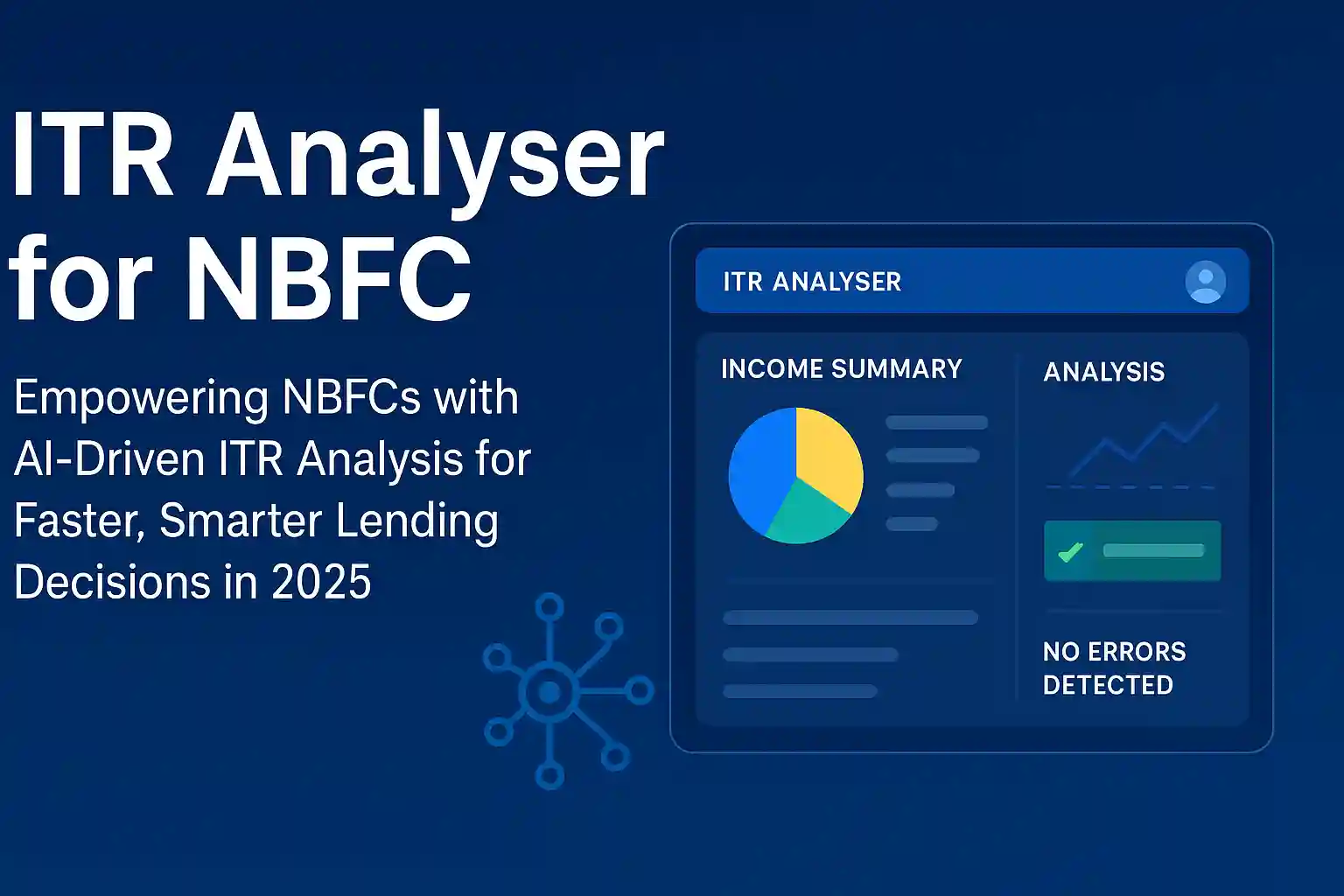
Why Every NBFC Needs an ITR Analyser for Smarter Lending in 2025
Lending isn’t just about gut instinct anymore — it’s about data, speed, and precision. And in 2025, NBFCs that rely only on traditional income checks are already falling behind those that use smarter automation tools.That’s where an ITR Analyser for NBFC changes the game. The Shift: From Manual Verification to Data Intelligence For decades, income
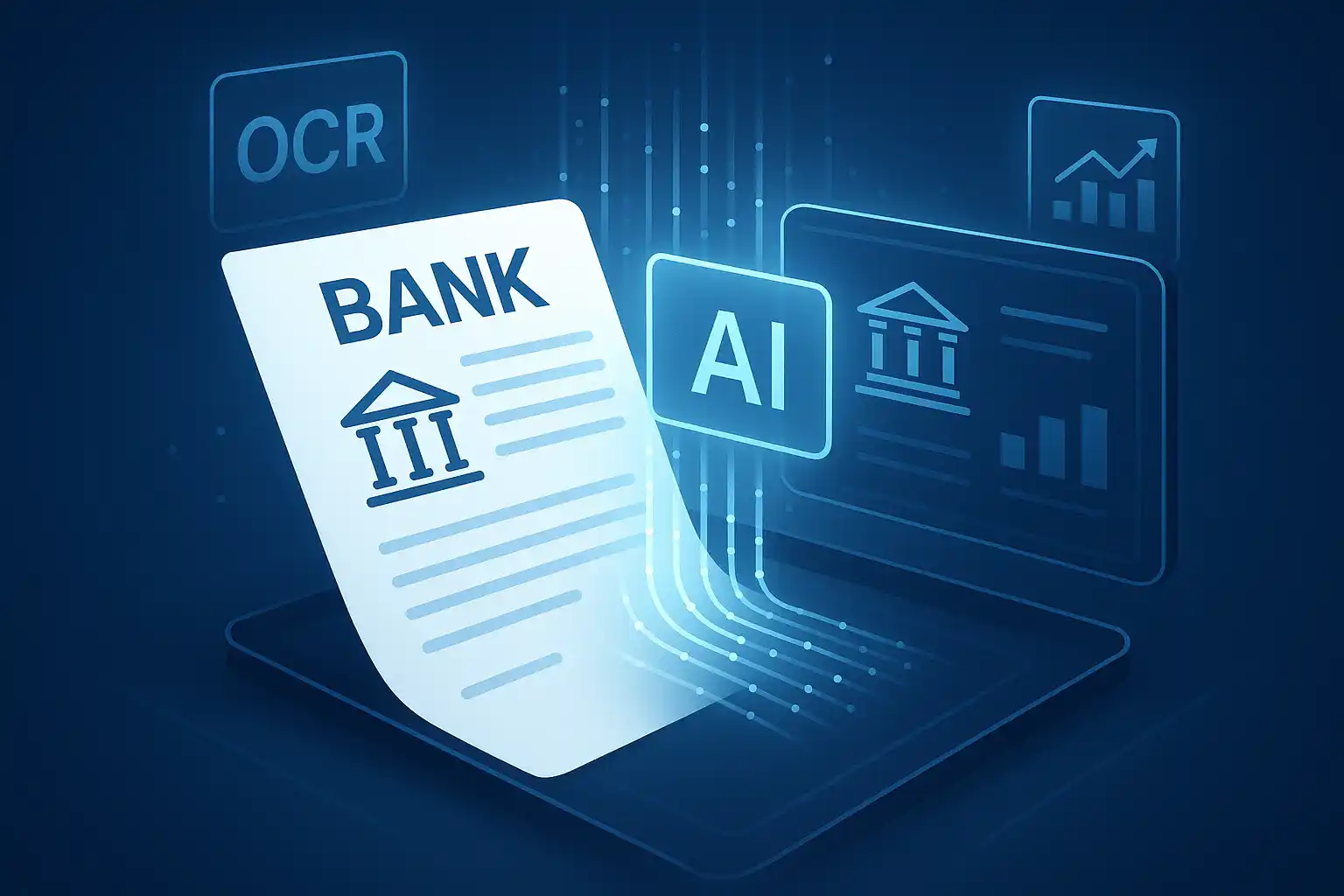
What Is OCR in Banking? Uses, Benefits, and Real-Life Examples
Introduction: The Technology That Reads Faster Than We Blink When you upload your bank statement, ID proof, or cheque while applying for a loan, a quiet but powerful technology goes to work behind the scenes.It doesn’t sleep, it doesn’t blink, and it reads faster than any human could. That’s OCR – Optical Character Recognition, one