
DHAYALKUMAR
Author: DHAYALKUMAR

What is ITR? Requirements & How to file ITR for home loan
Buying a home is exciting—but it can also feel like navigating a maze of paperwork. One document banks pay close attention to is your ITR for home loan. Yes, that old tax return you file every year plays a big role in determining if your dream home becomes reality. In this guide, we’ll break down
·
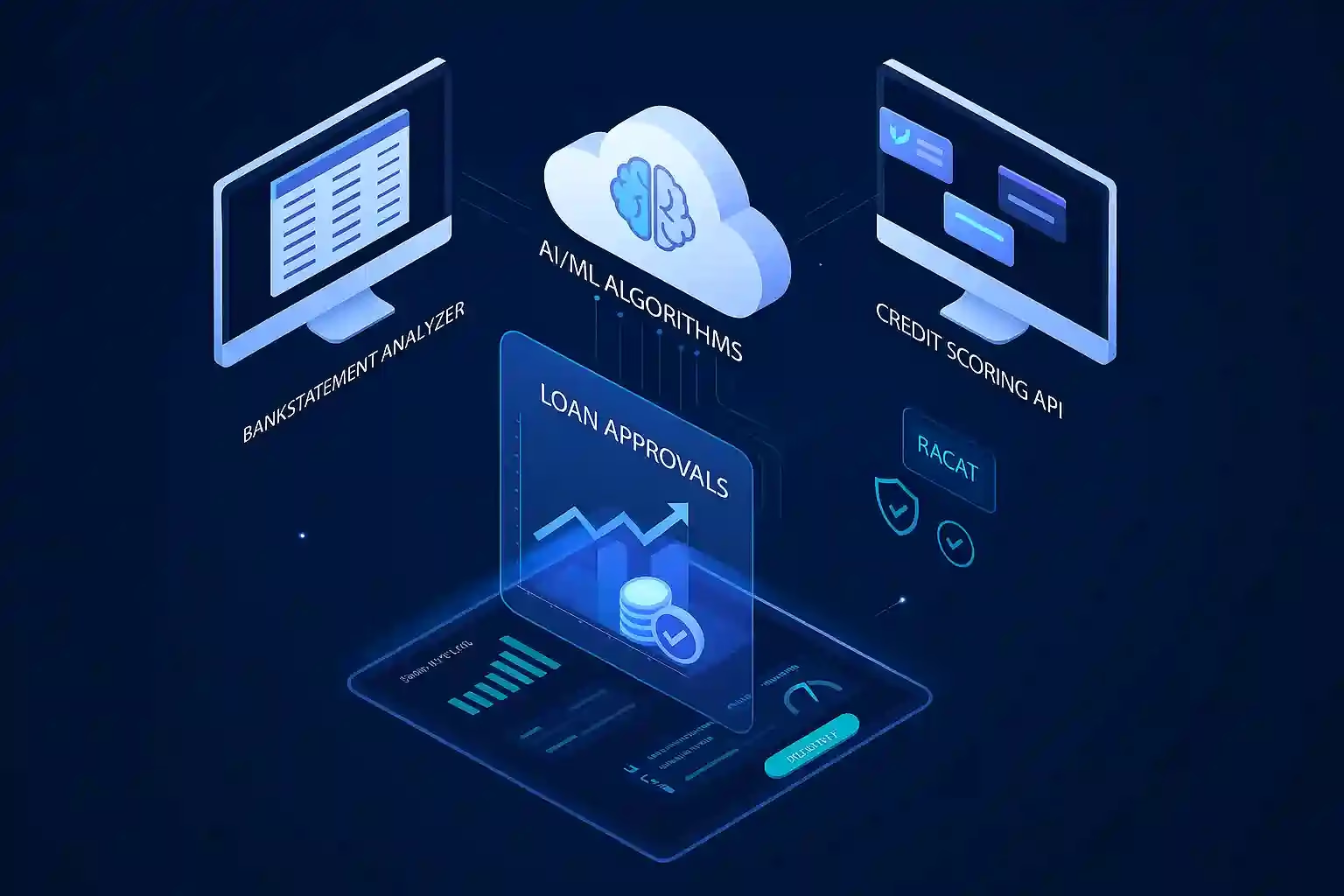
Integrating Bank Statement Analyzers with Credit Scoring APIs: Tech Stack, Challenges, and Solutions
Why This Integration Matters Every lender faces the same puzzle: How do you know if someone will repay? Traditional credit scores give one clue-borrower discipline in handling past loans. Bank statement analysis gives another-actual cash flow, spending, and income consistency. When you combine these two, you get something powerful: a 360-degree borrower profile. A person

How AI in Borrower Income Assessment Is Transforming Loan Decisions
In the fast-paced world of lending, waiting days—or even weeks—to verify a borrower’s income can cost more than just time. Errors creep in, paperwork piles up, and decisions get delayed. Enter AI in borrower income assessment, a game-changer that’s streamlining the process and making loan approvals faster, smarter, and far more reliable. If you want
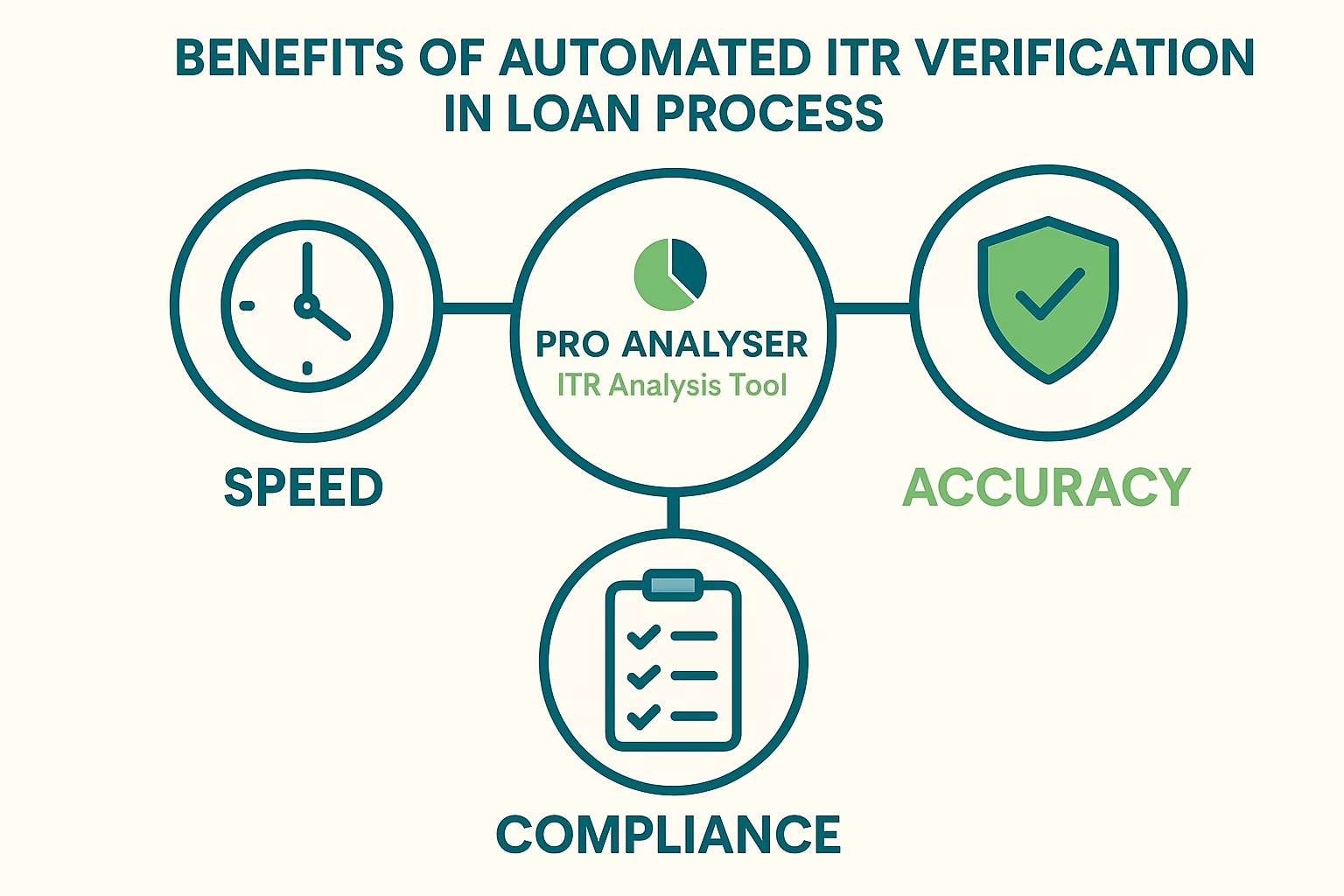
ITR Verification in Loan Process: How Pro Analyser Ensures Accuracy & Trust
Imagine a borrower submits their ITR claiming a stable income, but when the bank checks, the numbers don’t match. The result? Loan rejection, wasted time, and unnecessary friction. For lenders, this scenario is all too familiar. That’s why ITR verification in loan process has become a critical checkpoint. It ensures income proof is valid, prevents
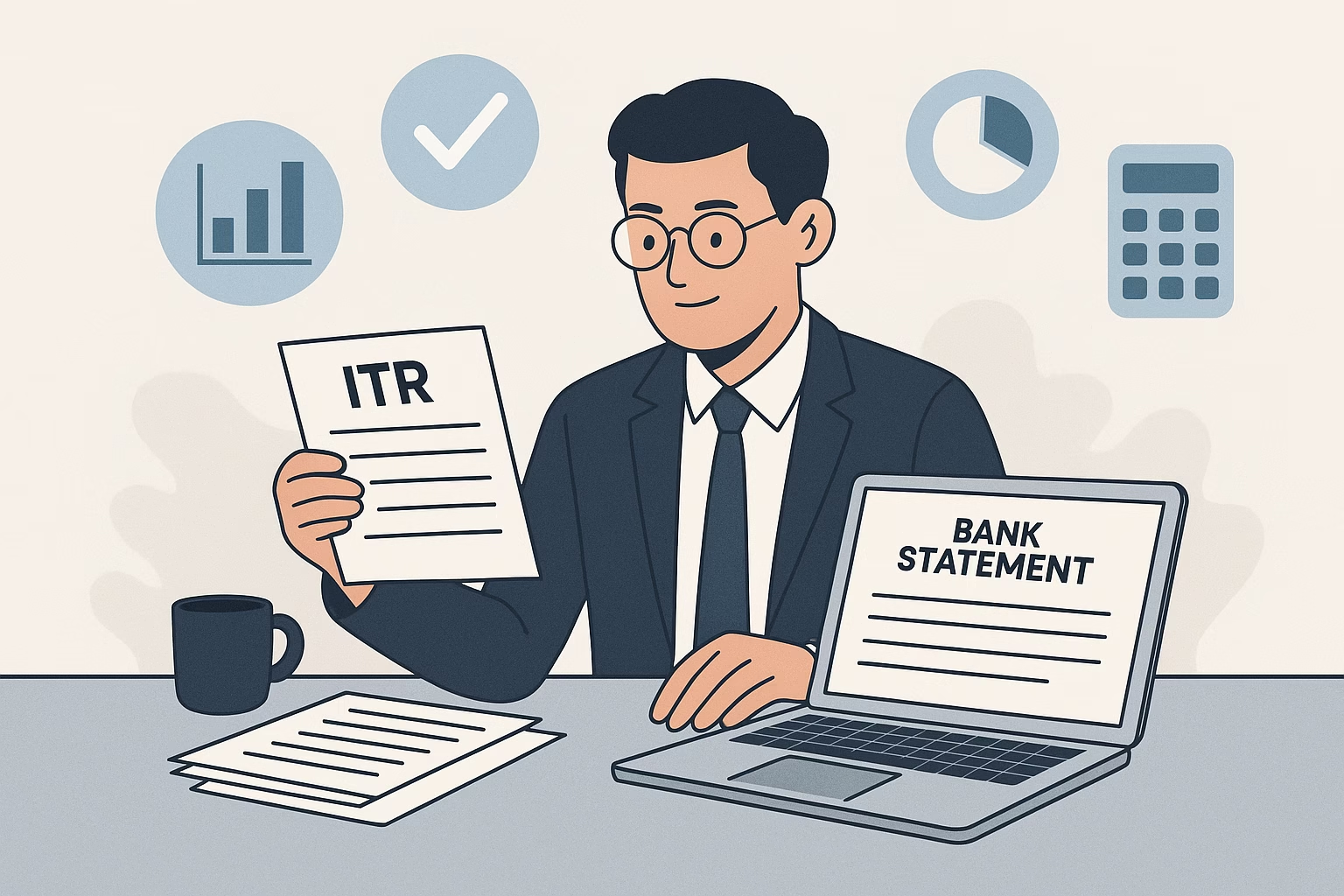
Income Proof Verification for Loans: How ITR Simplifies Lending Decisions
When it comes to lending, verifying a borrower’s income is critical. A simple mistake can cost lenders time, money, and even risk non-performing loans. That’s where Income proof verification for loans becomes vital. Among all documents, the ITR as income proof stands out for its accuracy and reliability. Unlike bank statements or pay slips, the

·
Trends in Bank Statement Analysis Tool: What Lenders and Fintechs Expect in 2025-26
Bank statements are no longer passive documents-they’ve become data powerhouses. Lenders and fintechs now rely on them to judge income stability, detect hidden liabilities, and measure risk appetite. In fact, according to Statista, the global digital lending market is expected to surpass $37 billion by 2026, and analysts say more than 70% of fintechs in

Manual vs Automated Bank Statement Analysis: The AI in Lending Advantage
The lending industry is no stranger to change. From paper-based ledgers to digital platforms, every shift has aimed at making decisions faster, fairer, and more accurate. But today, the real turning point comes with AI in lending, especially when comparing manual vs automated bank statement analysis. A lender’s success depends on spotting reliable borrowers quickly
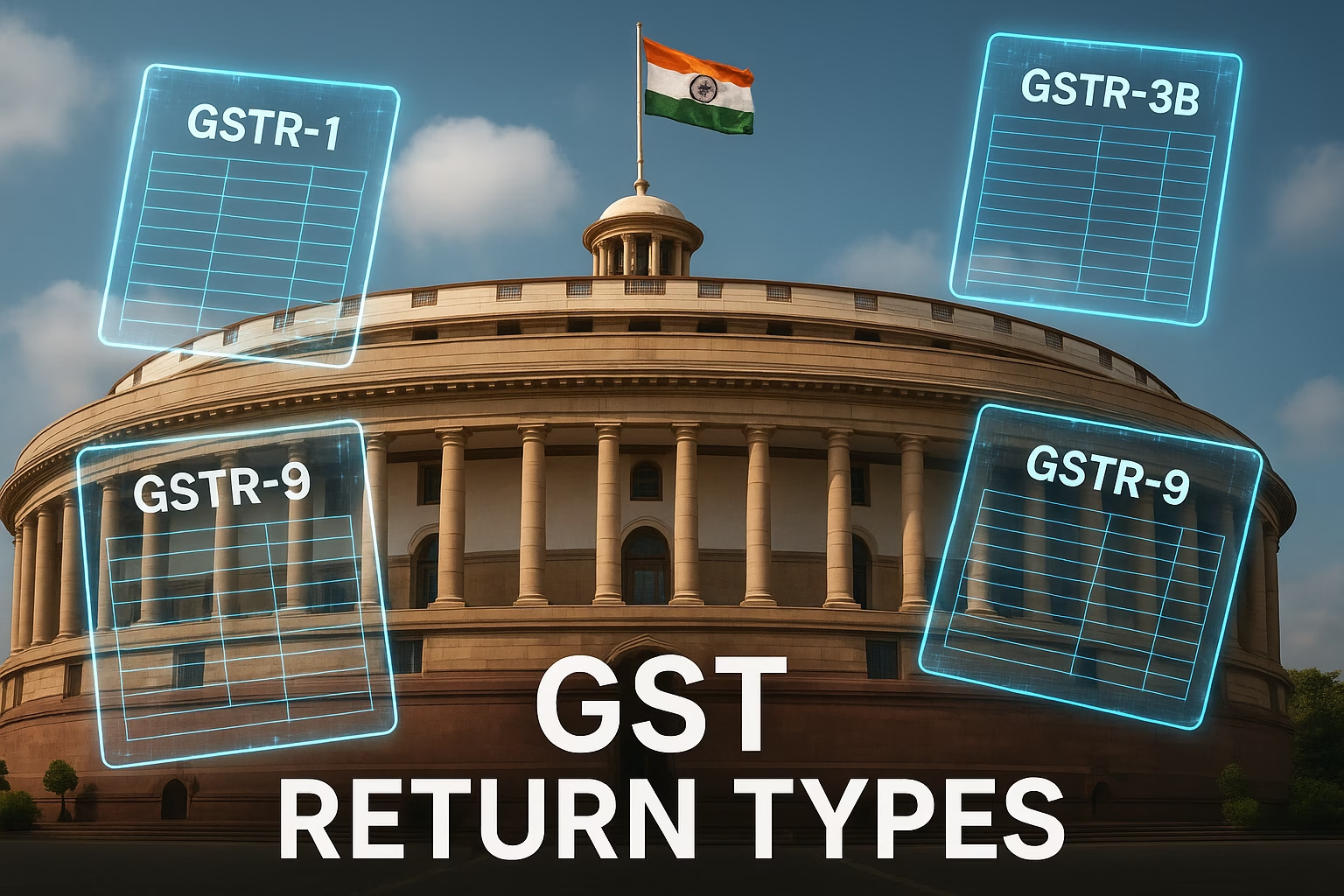
GST Return Types Explained: Simplifying GSTR-1 to GSTR-9
Filing GST returns is one of those tasks that can quickly overwhelm even experienced finance professionals. Multiple forms, monthly versus annual filings, penalties for errors—it’s a lot to handle. But once you understand the different GST return types, the process becomes far less intimidating. This guide breaks down the types of GST returns in India,

GST 2.0 in Action: 56th GST Council Meeting and Key GST Rate Changes 2025
The 56th GST Council Meeting 2025 was not just another policy update—it was a reset button for India’s indirect tax system. Branded as GST 2.0, this reform is designed to simplify the tax structure, reduce disputes, and directly impact what consumers pay at the checkout counter. For finance professionals, it signals a shift in compliance,

Exploring the Role of AI in Banking and Financial Services
1. Introduction: AI’s Growing Footprint in Banking The role of AI in banking has moved from being an experiment to becoming a core strategy. Today, more than 70% of banks are already investing in AI technologies for lending, compliance, fraud detection, and customer service. Financial institutions can’t afford to ignore AI anymore—it reduces costs, speeds