
Credit Risk Assessment

Why Many NBFCs Prefer Pro Analyser Over Full-Suite Platforms
NBFCs today are operating under more pressure than ever: larger loan volumes, tighter risk controls, and rising fraud attempts. In this environment, technology is no longer optional — it’s a major factor in portfolio quality.This is why many lenders are shifting away from heavy, multi-module systems and choosing focused tools built specifically to improve credit

Beyond Income: Why Volatility Score Is the Future of Credit Risk Analysis
For years, lenders have relied on income statements to judge repayment capacity. Yet defaults persist—even among borrowers with stable, high salaries. Income shows earning power, not financial discipline. The real indicator of repayment reliability is cash-flow stability, not static income data. This is where the Volatility Score transforms credit assessment. It provides a sharper, data-driven

·
From Cash Flow to Compliance: How Businesses Can Stay Audit-Ready Year-Round
Financial transparency is no longer optional. Businesses that want to avoid penalties, improve decision-making, and maintain trust with stakeholders must be audit ready every day. But staying audit-ready isn’t just about reconciling bank statements or filing GST-it’s about building a holistic, automated, and intelligent financial ecosystem. This guide explores how companies can manage cash flow,
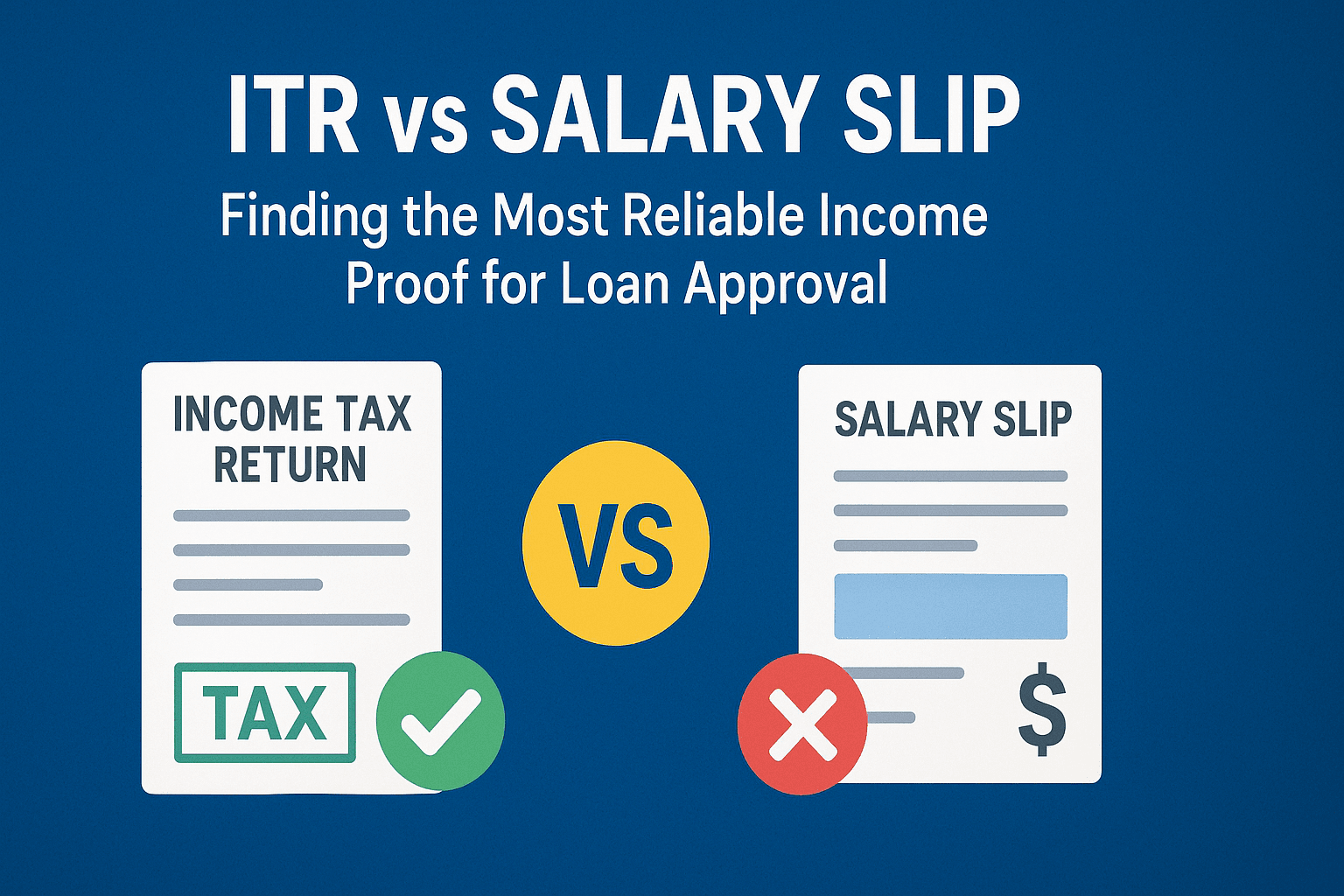
ITR vs Salary Slip: Finding the Most Reliable Income Proof for Loan Approval
Ever seen two applicants with the same credit score — but one gets approved instantly while the other faces “further verification”?That’s often because of one thing lenders don’t joke about: income proof for loan. Your credit score may show how you repay.But your income documents reveal if you can repay.And when it comes to proving
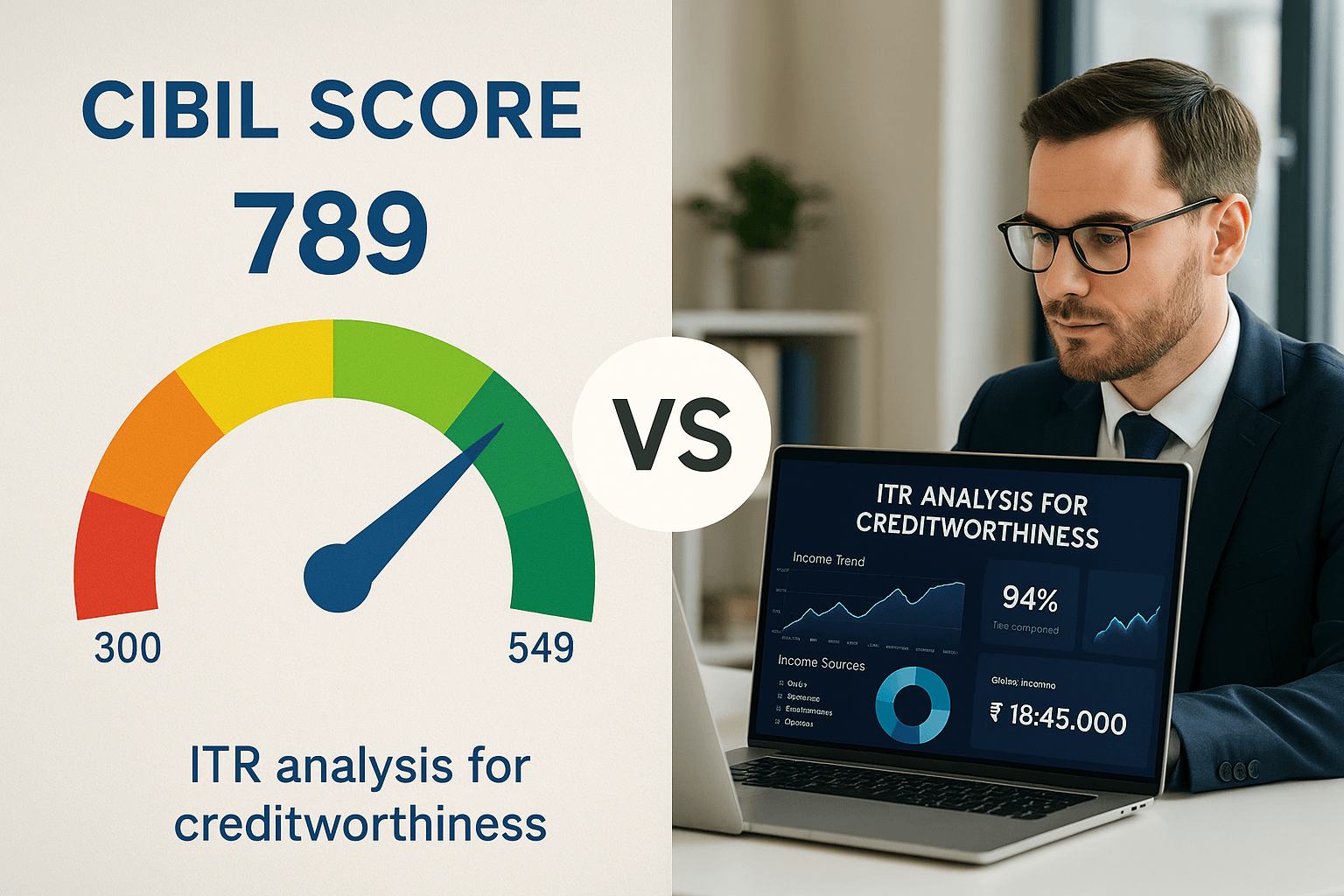
Income Verification for Loan Approval: Why ITR Analysis is Essential
Lenders traditionally rely on CIBIL scores for quick credit checks, standardizing the initial gauge of repayment potential. However, a high score doesn’t guarantee a borrower’s ability to repay. Seasonal income, hidden liabilities, or unreported earnings can easily bypass standard credit evaluations, making robust Income Verification for Loan approval a critical necessity. This is where ITR
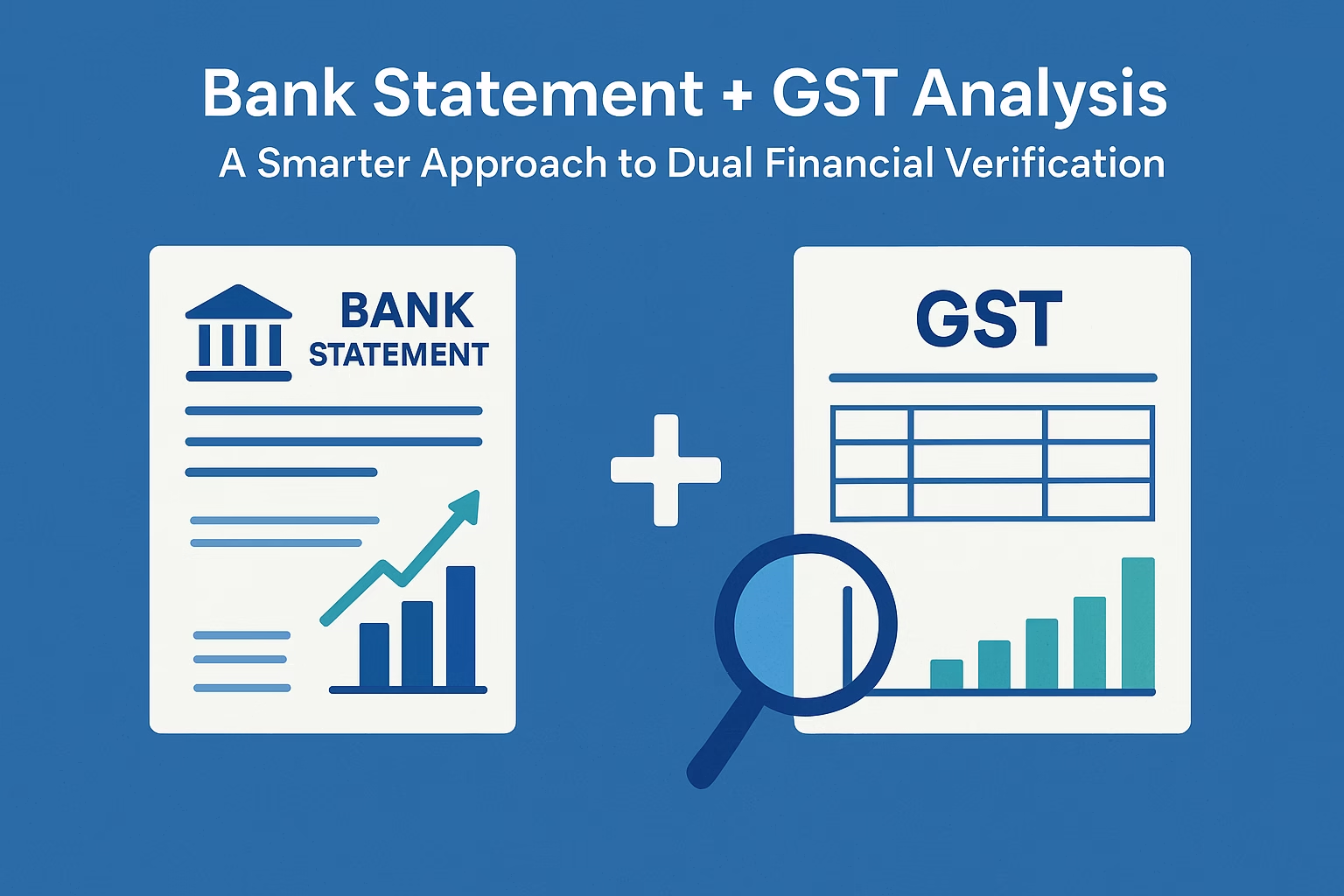
Bank Statement + GST Analysis: A Smarter Approach to Dual Financial Verification
Lenders and financial advisors increasingly rely on a method we call dual financial verification—the systematic comparison of actual cash flows and declared sales. In practice, this means combining GST analysis with bank statement analysis to get a complete, accurate picture of a borrower’s financial health. “In fact, according to a recent report by the Economic
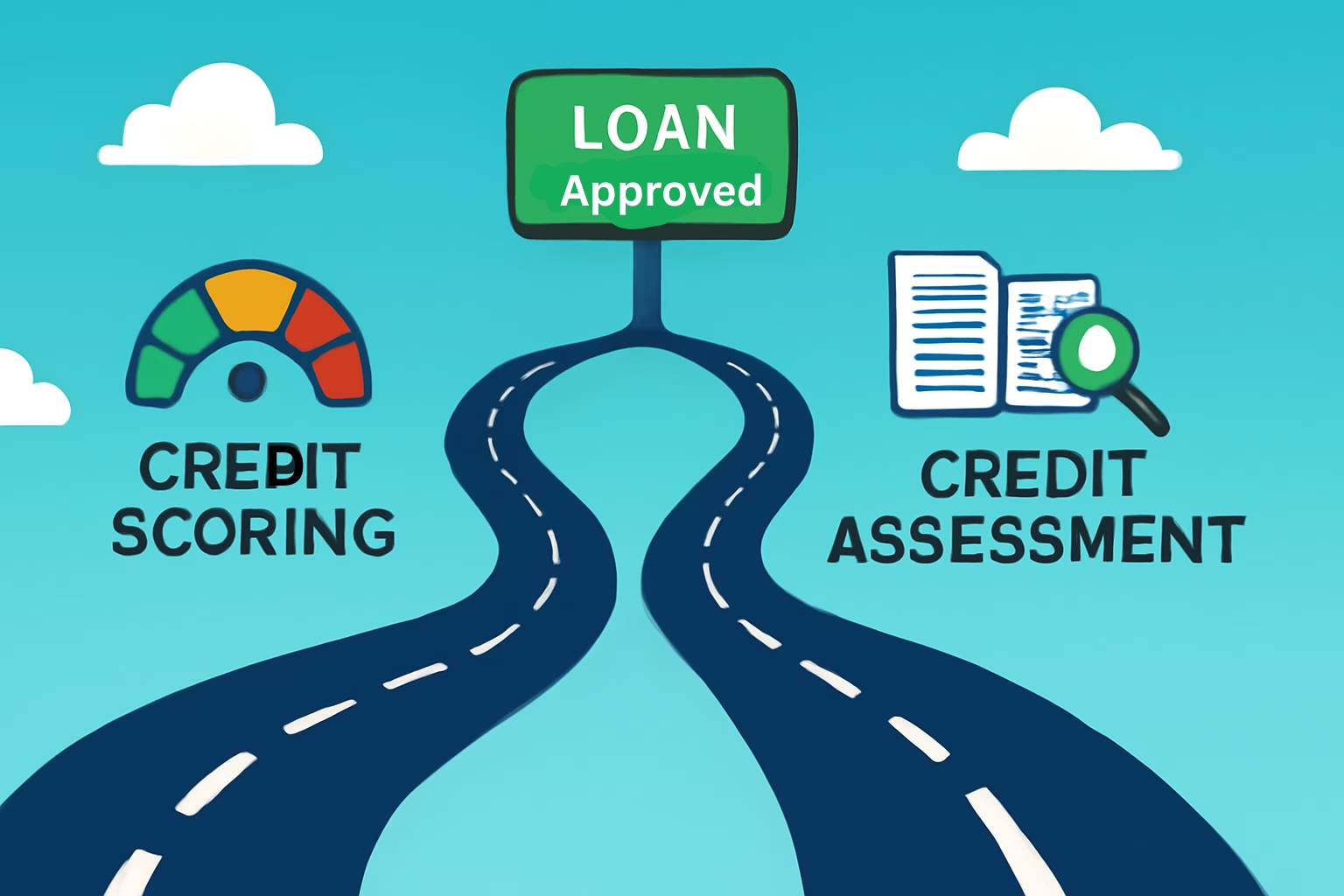
Integrating Credit Scoring with Credit Assessment: A Complete Guide for Lenders
Introduction Ever wondered how Amazon always seems to suggest exactly what you need? Imagine your lending decision process working the same way – fast, data‑driven, and highly accurate. For NBFCs, DSAs, and auditors, integrating credit scoring with credit assessment is no longer just an idea — it’s today’s competitive edge. 💡 For a complete framework

Understanding the Differences: Credit Assessment and Credit Scoring Explained Simply
If you think credit assessment and credit scoring mean the same thing, think again. These are two distinct but complementary steps that lenders, NBFCs, and auditors use to evaluate credit risk. Understanding their differences can help finance professionals make better lending decisions. What is Credit Assessment? Credit assessment is the process lenders and financial institutions

How to Conduct a Credit Assessment Using Bank Statements
Imagine you have to decide as a lender whether to approve a loan by flipping through pages—not of a credit report—but bank statements. Sounds old school? Well, it’s actually the secret sauce behind credit assessment for smarter lending decisions in today’s fintech world. Let’s dive into how these financial chronicles reveal creditworthiness beyond simple numbers.

·
Will Smart Algorithms End Human Judgment? The Battle for the Future of Credit Decisions
AI could automate up to 45% of financial tasks by 2030, potentially boosting global banking profits by $1 trillion annually—fueling a seismic shift that is transforming how credit and lending decisions are made. At the heart of this transformation are advanced bank statement analysis software and modern bank statement analysis tool, which process far more