
Blog
·
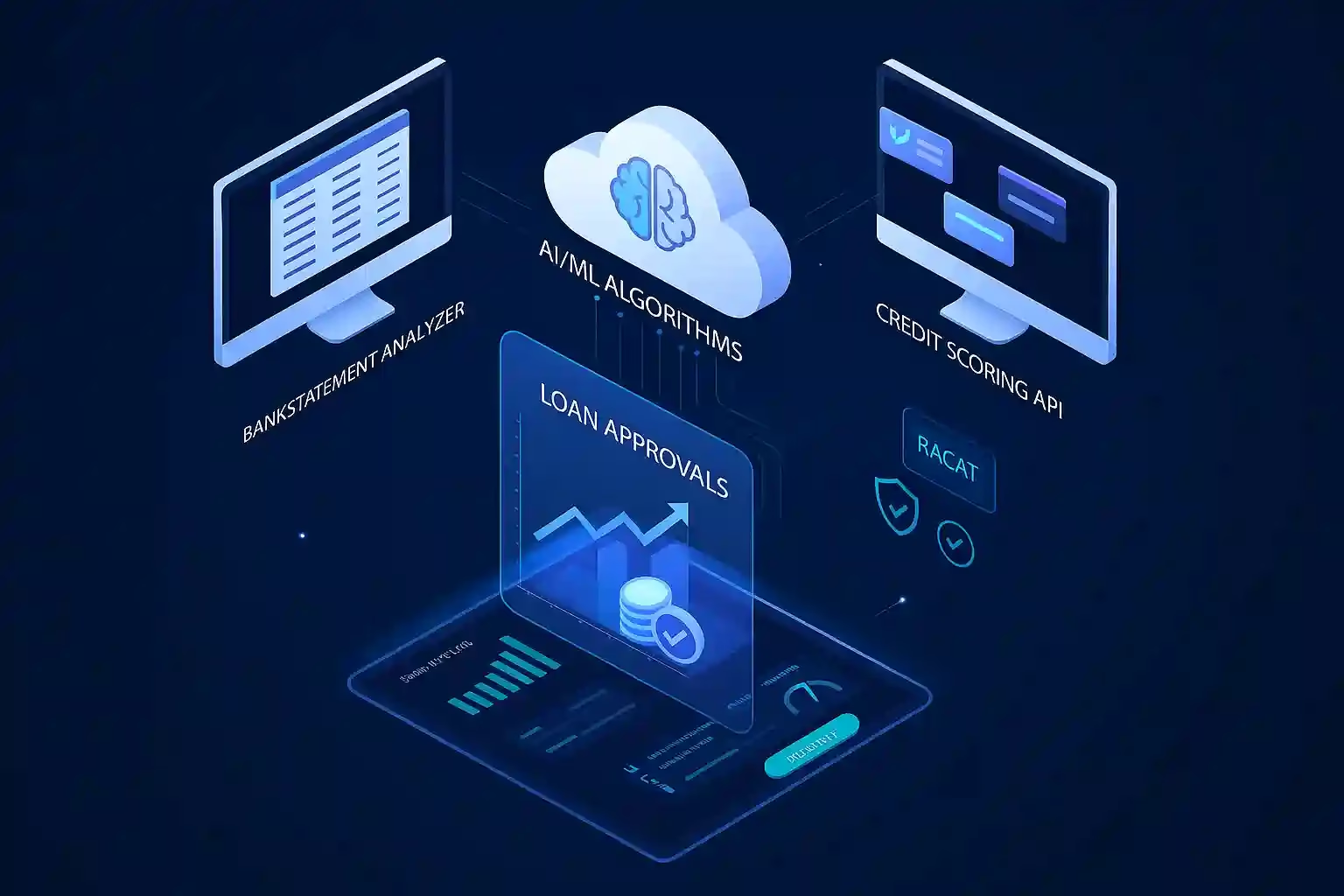
Integrating Bank Statement Analyzers with Credit Scoring APIs: Tech Stack, Challenges, and Solutions
Why This Integration Matters Every lender faces the same puzzle: How do you know if someone will repay? Traditional credit scores give one clue-borrower discipline in handling past loans. Bank statement analysis gives another-actual cash flow, spending, and income consistency. When you combine these two, you get something powerful: a 360-degree borrower profile. A person

·
Trends in Bank Statement Analysis Tool: What Lenders and Fintechs Expect in 2025-26
Bank statements are no longer passive documents-they’ve become data powerhouses. Lenders and fintechs now rely on them to judge income stability, detect hidden liabilities, and measure risk appetite. In fact, according to Statista, the global digital lending market is expected to surpass $37 billion by 2026, and analysts say more than 70% of fintechs in

Manual vs Automated Bank Statement Analysis: The AI in Lending Advantage
The lending industry is no stranger to change. From paper-based ledgers to digital platforms, every shift has aimed at making decisions faster, fairer, and more accurate. But today, the real turning point comes with AI in lending, especially when comparing manual vs automated bank statement analysis. A lender’s success depends on spotting reliable borrowers quickly

Exploring the Role of AI in Banking and Financial Services
1. Introduction: AI’s Growing Footprint in Banking The role of AI in banking has moved from being an experiment to becoming a core strategy. Today, more than 70% of banks are already investing in AI technologies for lending, compliance, fraud detection, and customer service. Financial institutions can’t afford to ignore AI anymore—it reduces costs, speeds
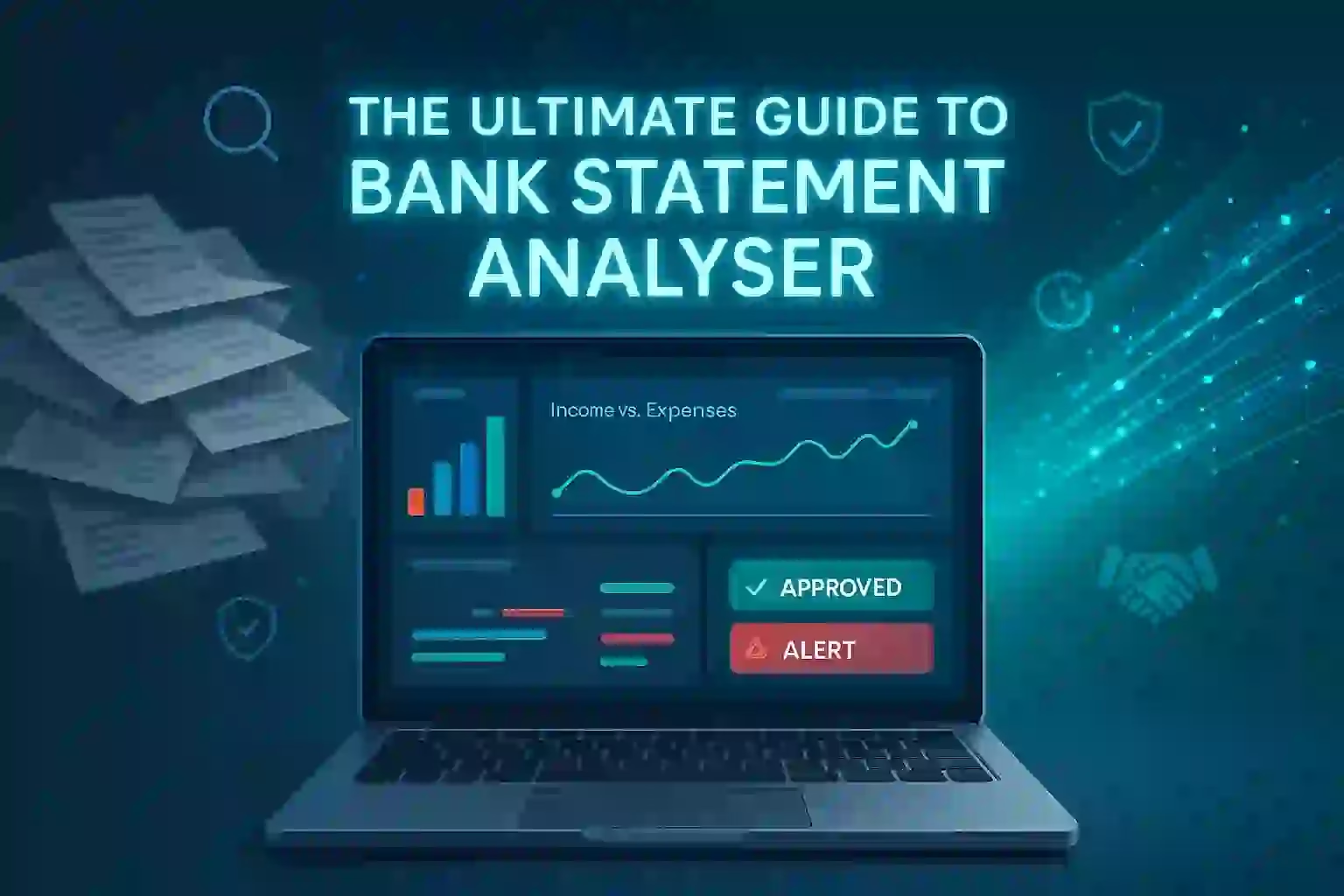
The Ultimate Bank Statement Analyser Guide: Transforming Lending in 2025
Last Updated: December 2025 A Quick Summary: The blog highlights how Bank Statement Analysers have shifted from a “luxury” to an essential “engine” for Digital Lending 2.0. What is a Bank Statement Analyser? A Bank Statement Analyser is a sophisticated AI-powered tool designed to scan, parse, and interpret months of transaction data in seconds. While
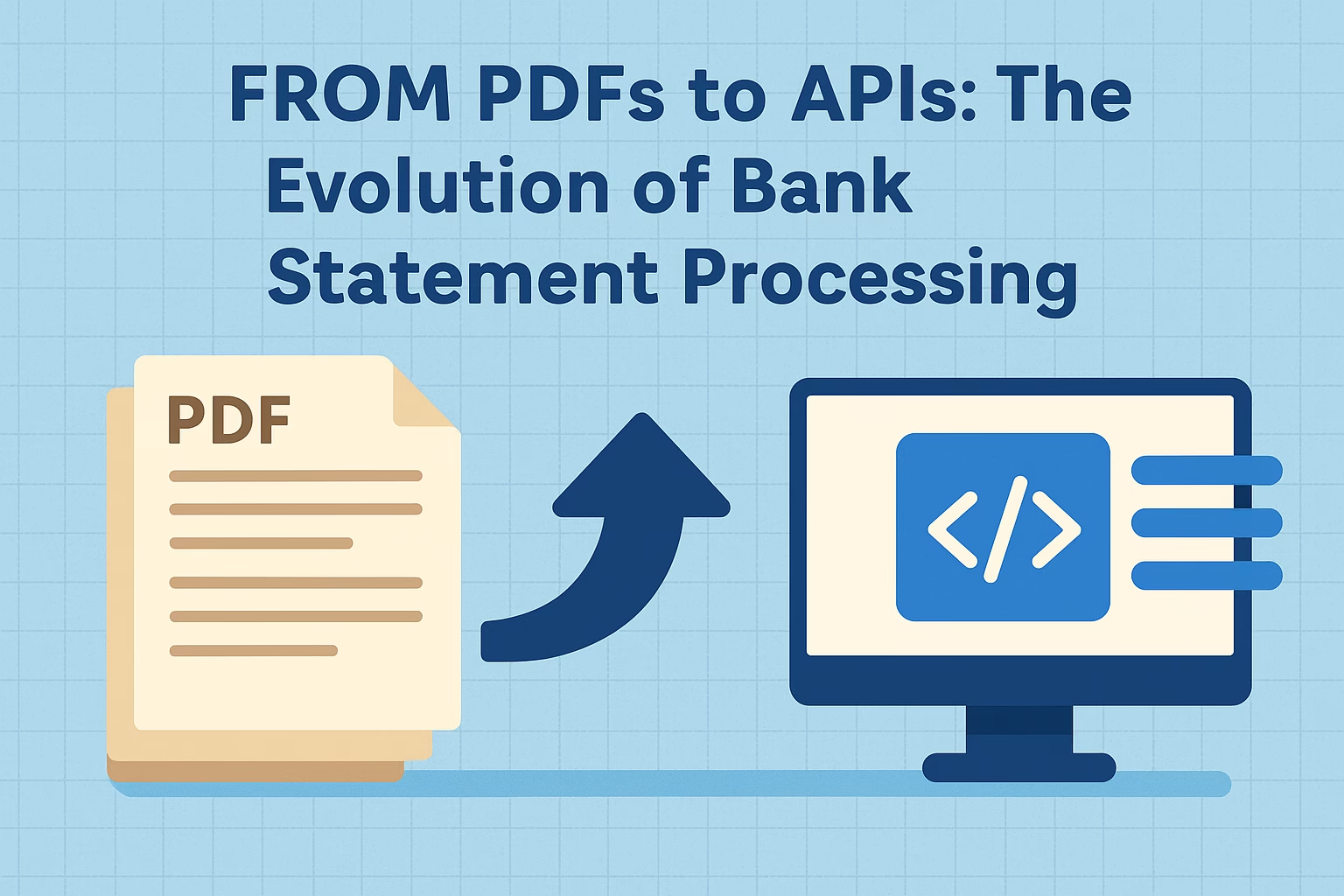
From PDFs to APIs: The Evolution of Bank Statement Processing in Lending
Bank statement processing has long been the foundation of credit decision-making. For decades, lenders relied on bank statements as the most reliable indicator of a borrower’s financial health. Yet despite their importance, the way bank statement processing was handled remained inefficient, manual, and highly vulnerable to error. Lenders lost years navigating PDFs, Excel files, and
·
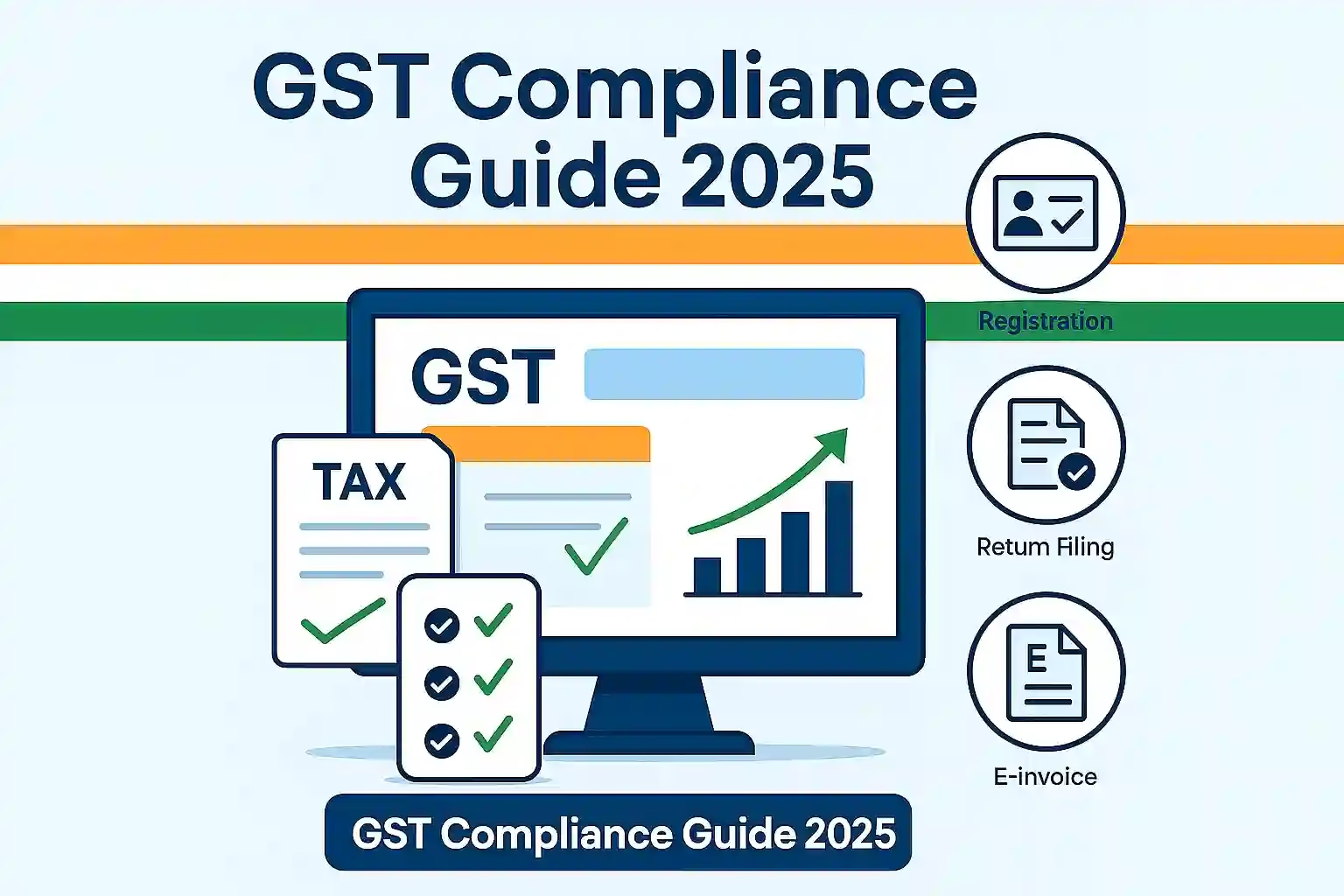
The Complete GST Compliance Guide 2025: Rules, Checklist, Rating & Risks
Quick Takeaways: Your 2025 Compliance Snapshot Goods and Services Tax (GST) compliance is more than just filing returns on time—it’s about following every regulation that keeps your business on the safe side of law. With radical new updates mandating GST compliance 2025 and tighter scrutiny from authorities, businesses can no longer afford casual mistakes. A
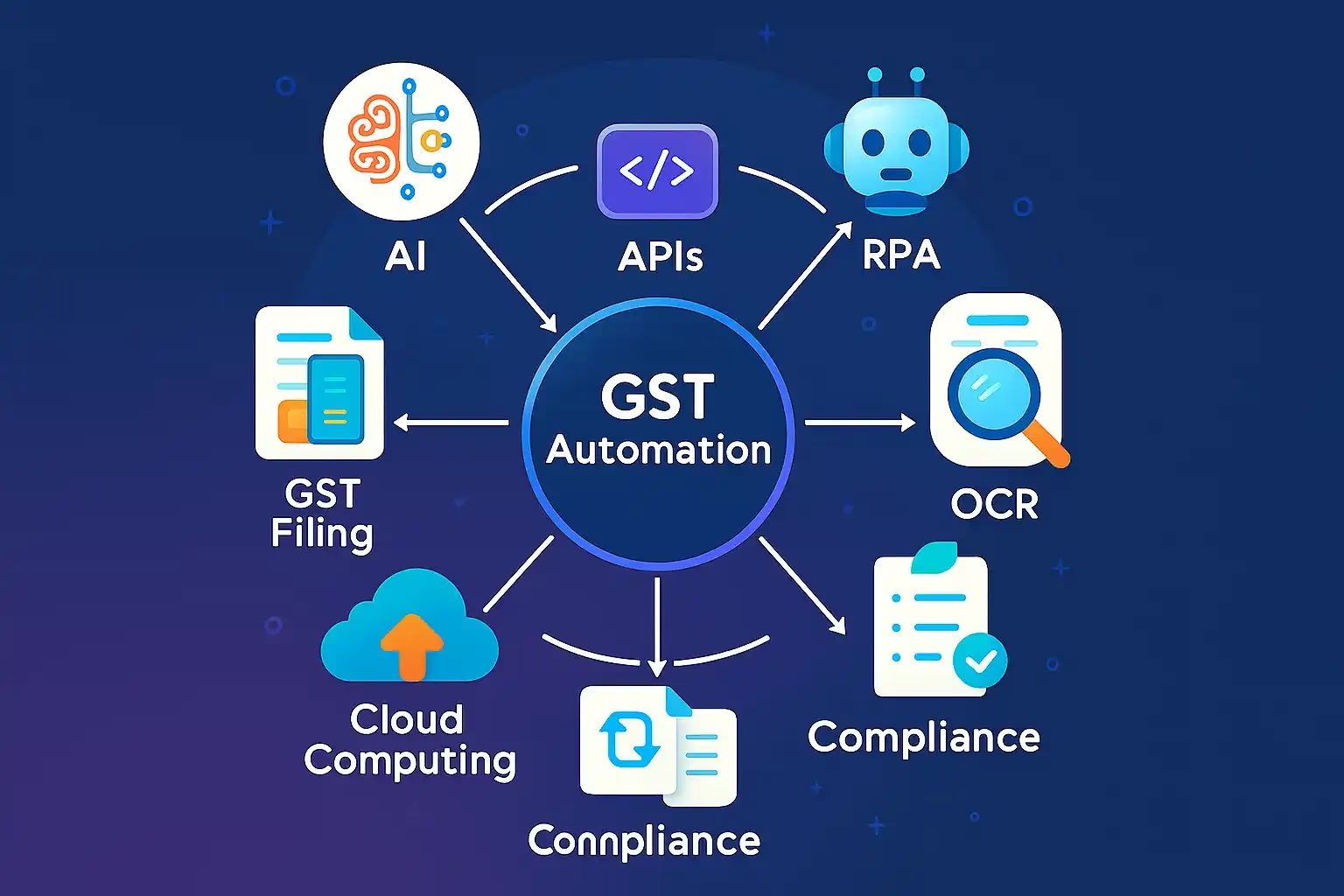
GST Automation and Technologies: The Complete Guide
Introduction In the age of digital transformation, automating GST processes has become a key driver of efficiency for businesses navigating the complex landscape of tax compliance. As tax regulations become more stringent and businesses seek to minimize manual errors, adopting automated solutions for GST filing and compliance management is no longer optional-it’s a strategic necessity.This
·
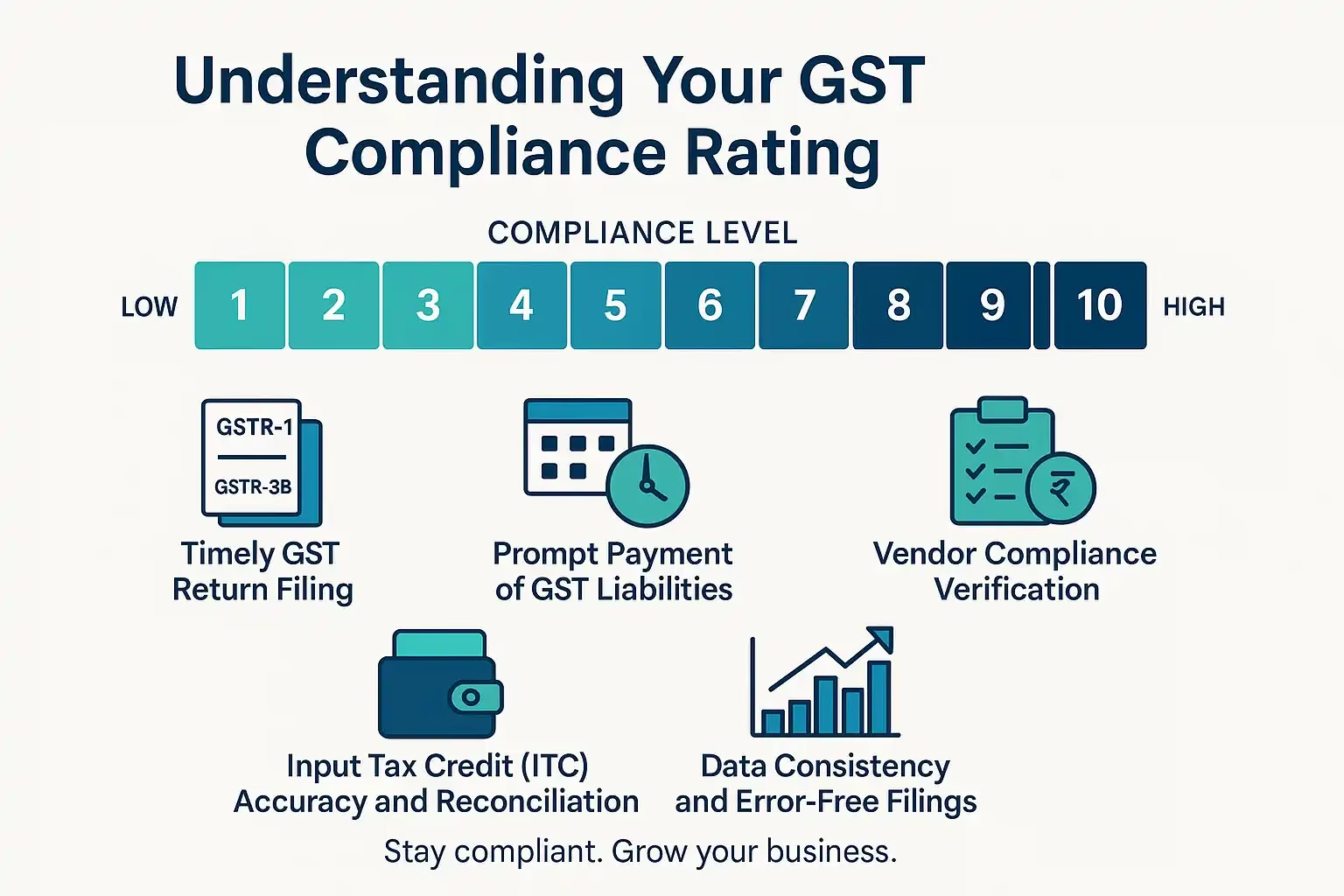
What is GST Compliance Rating? Clear Answers for Business Owners
India’s rollout of the Goods and Services Tax (GST) was more than a new tax-it was the foundation of a transparent, tech-driven business economy. But with these advances came new benchmarks for credibility: one of the most important being the GST compliance rating system. If the term sounds unfamiliar, think of it as a performance
·
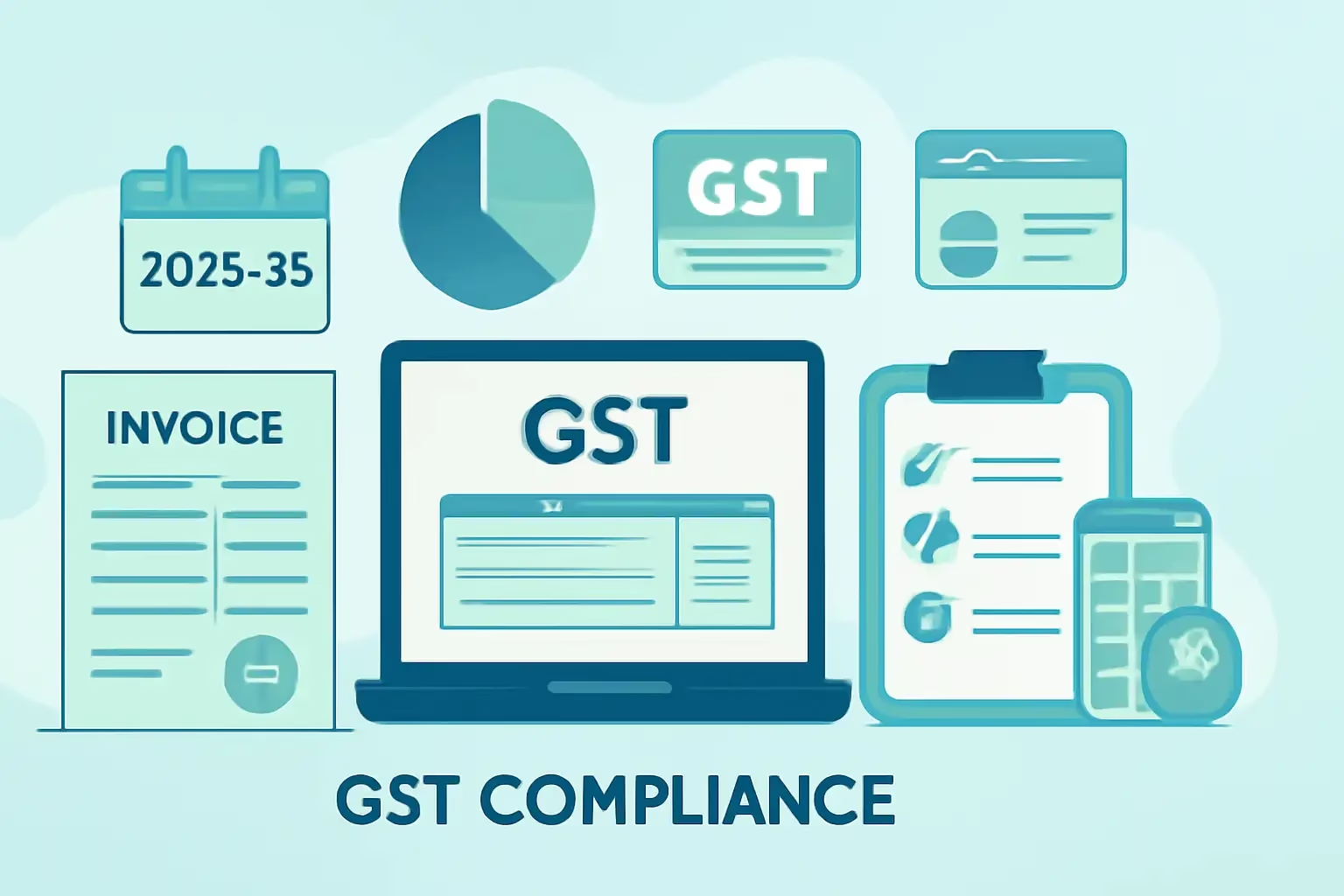
Ultimate GST Compliance Checklist for FY 2025–26
Maintaining accurate and timely GST compliance is critical for businesses to avoid penalties, streamline operations, and stay updated with regulatory changes. This ultimate GST compliance checklist for FY 2025–26 will guide businesses through key compliance areas to monitor and fulfill throughout the year. By following this checklist, organizations can effectively manage their GST obligations and