
Credit Assessment Insights
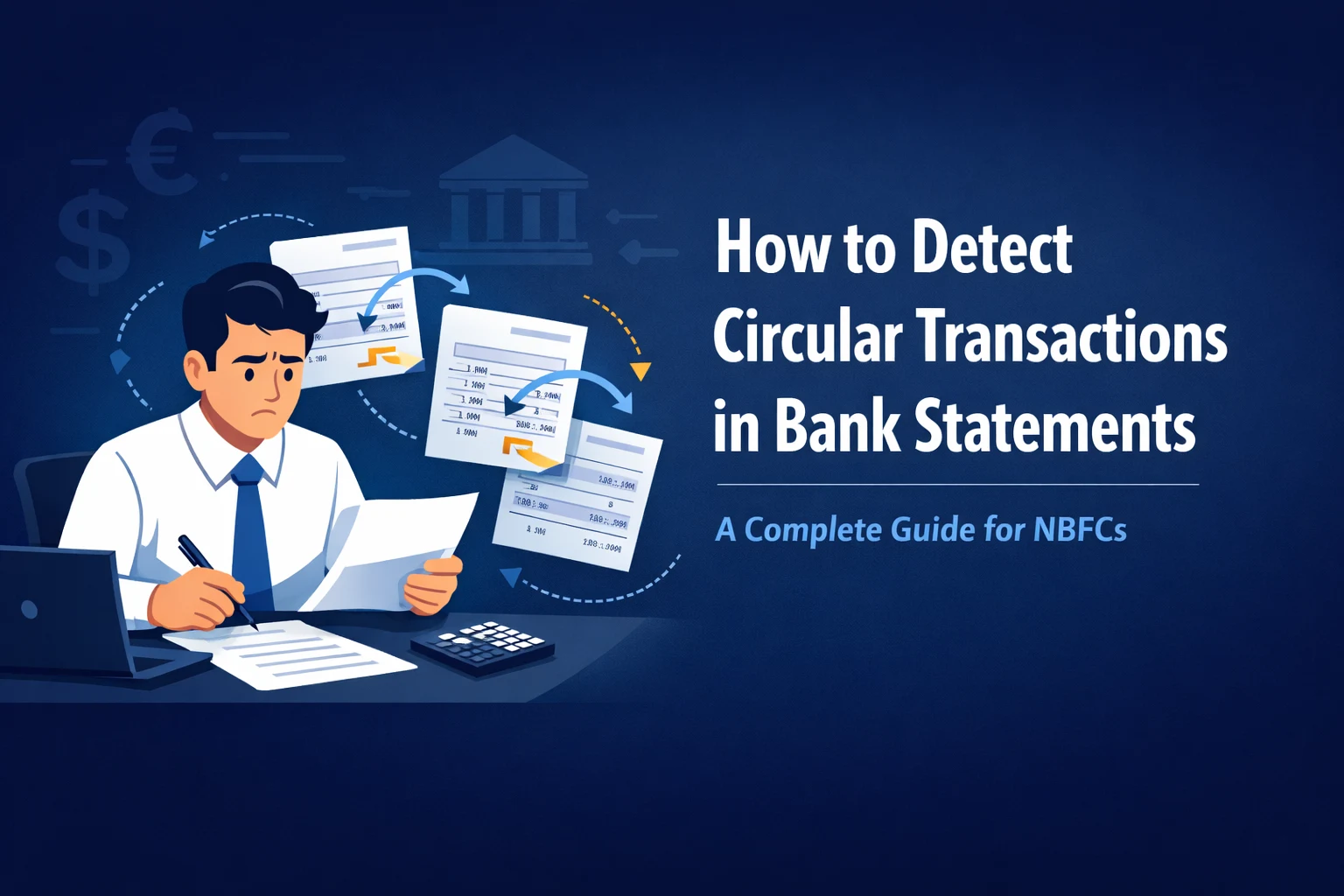
How to Detect Circular Transactions in Bank Statements: A Guide for NBFCs
In India’s rapidly evolving digital lending ecosystem, Non-Banking Financial Companies (NBFCs) face a sophisticated threat: circular transactions. These orchestrated money flows create the illusion of legitimate business activity or income, deceiving underwriters and artificially inflating creditworthiness. Unlike simple document tampering, circular transactions involve real money movements making them extremely difficult to identify through manual verification.
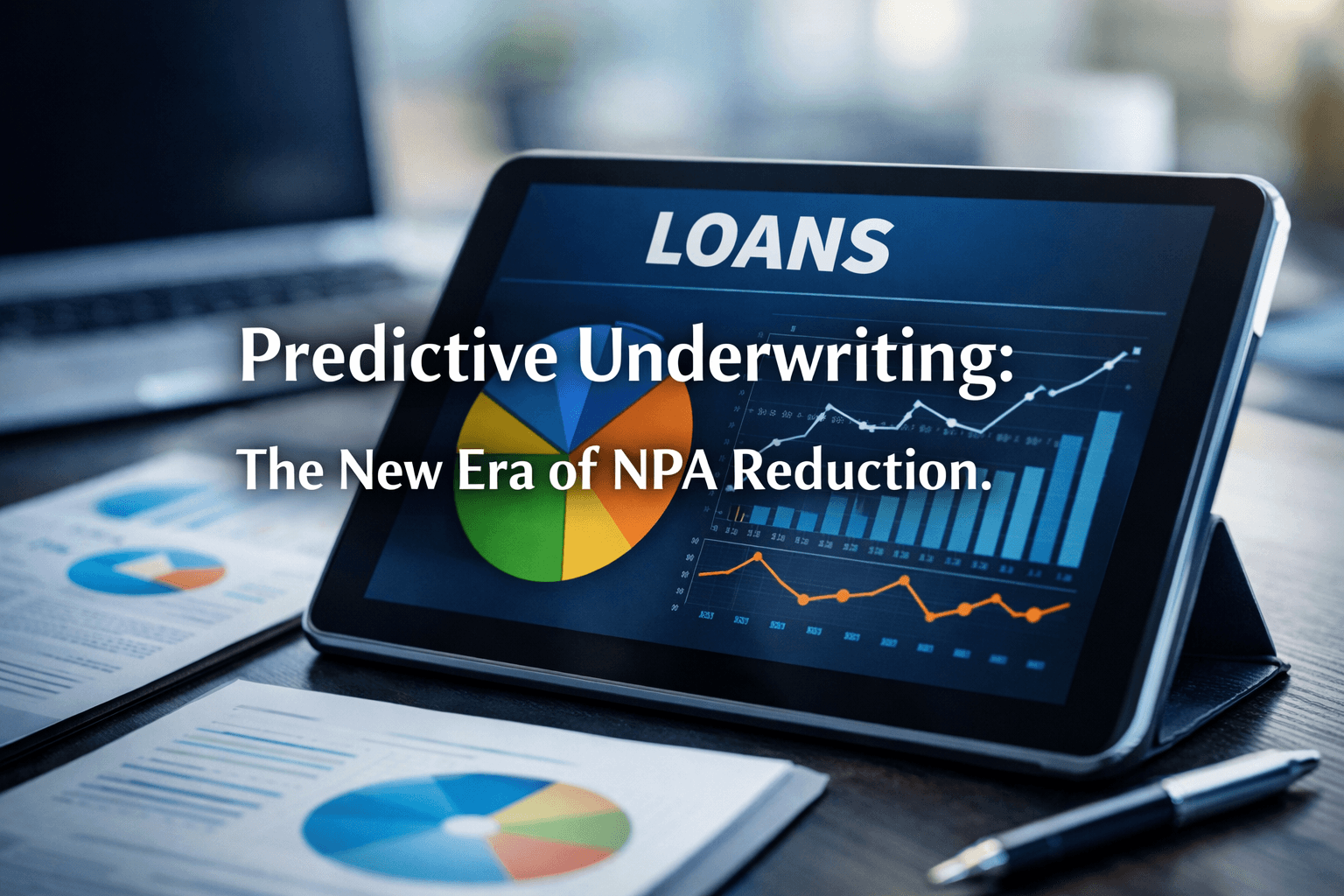
From Reactive to Predictive: How Automated Analysis Drives NPA Reduction in 2026
In the competitive lending landscape of 2026, the margin for error has vanished. While digital lending volumes are at an all-time high, the challenge of maintaining asset quality remains the top priority for Banks and NBFCs. The secret to sustainable growth isn’t just lending more. it’s lending smarter. The most effective strategy for NPA reduction

Optimizing Credit Underwriting: The Strategic Role of Bank Account Analysis in NBFCs
In the high-stakes world of lending, speed is a competitive advantage, but accuracy is a survival requirement. For NBFCs (Non-Banking Financial Companies), the bridge between receiving a loan application and disbursing funds is Bank Account Analysis. Traditionally, this process was a manual hurdle, underwriters spending hours scrolling through hundreds of pages of PDFs. Today, that
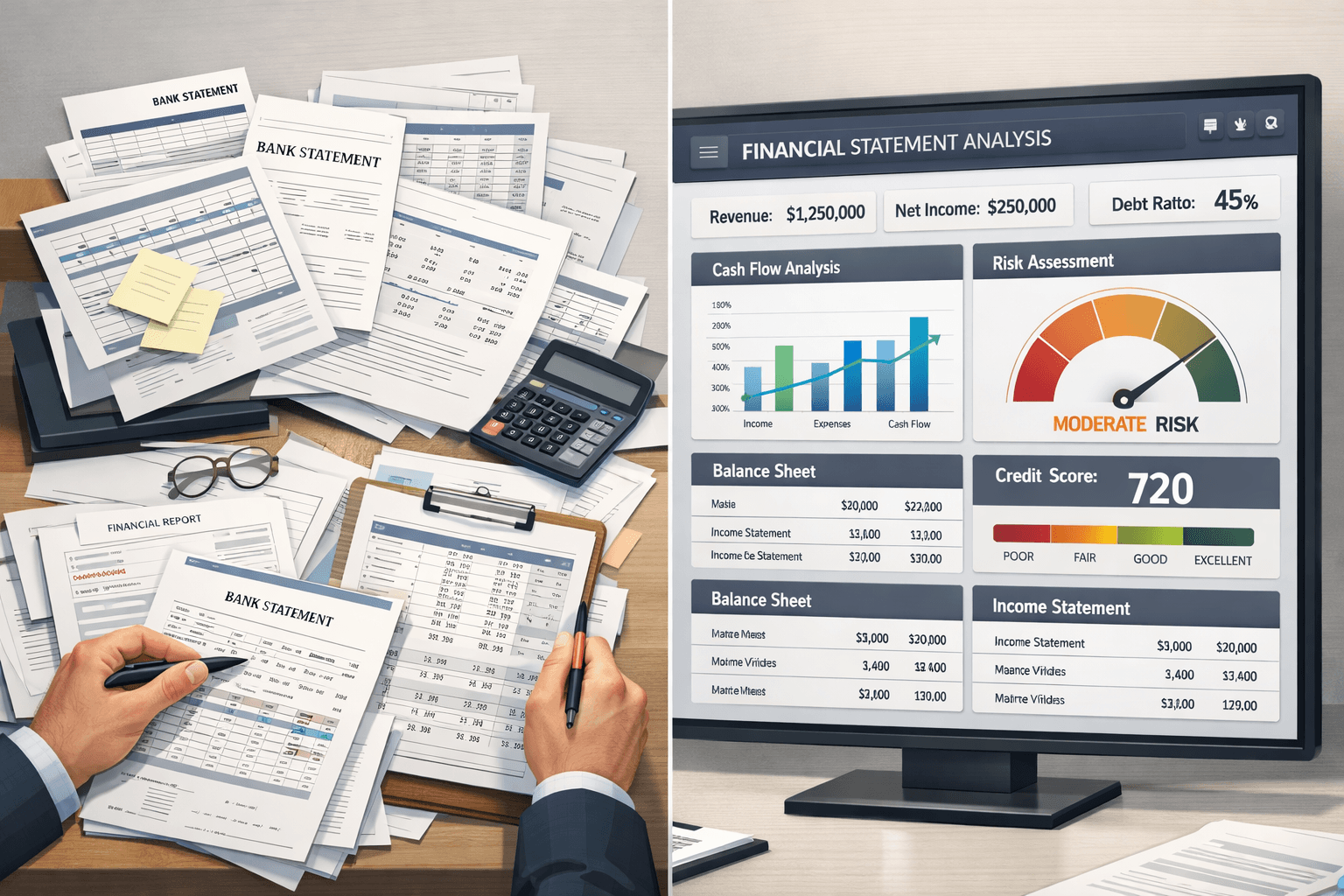
How to Automate Credit Risk Analysis Using a Financial Statement Parser
Credit risk analysis sits at the heart of every lending decision. Yet, many finance teams still depend on manual reviews of PDFs and spreadsheets to assess borrower risk. This approach is slow, difficult to scale, and increasingly misaligned with today’s data-driven lending environment. As underwriting volumes rise and decision timelines shrink, automation has become essential.
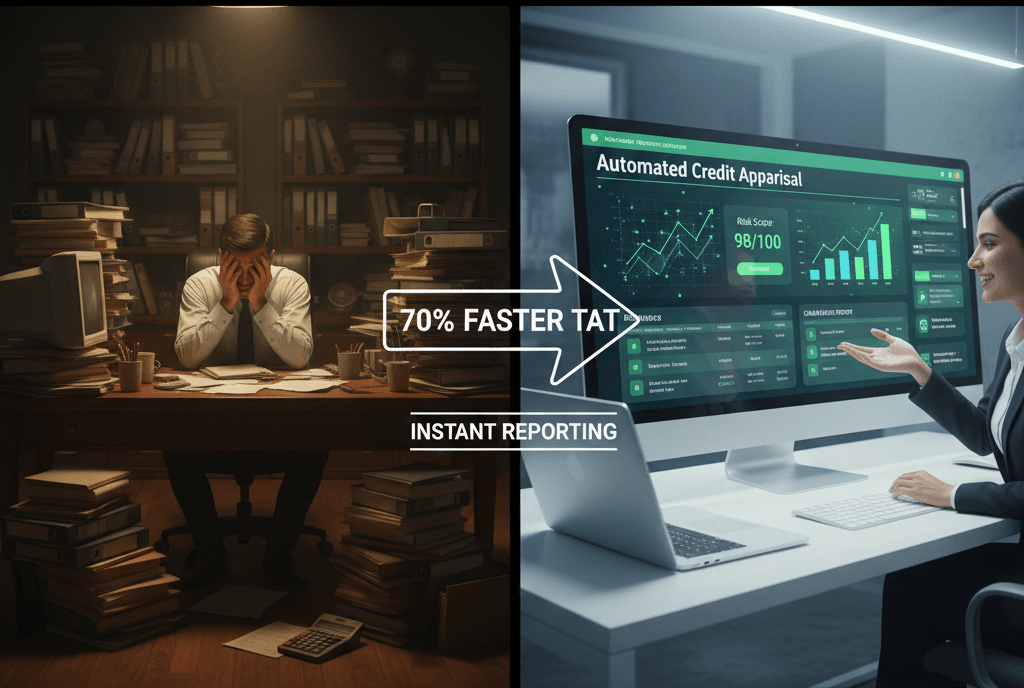
Stop Losing Borrowers: How Automated Credit Appraisal Slashes Loan TAT by 70%
In the competitive world of lending, speed isn’t just an advantage – it’s a survival requirement. Today’s borrowers, from retail individuals to seasoned MSME entrepreneurs, value time as much as interest rates. If your Loan Turnaround Time (TAT) is measured in weeks while your competitor’s is measured in hours, you aren’t just slow; you’re losing

Beyond Income: Why Volatility Score Is the Future of Credit Risk Analysis
For years, lenders have relied on income statements to judge repayment capacity. Yet defaults persist—even among borrowers with stable, high salaries. Income shows earning power, not financial discipline. The real indicator of repayment reliability is cash-flow stability, not static income data. This is where the Volatility Score transforms credit assessment. It provides a sharper, data-driven
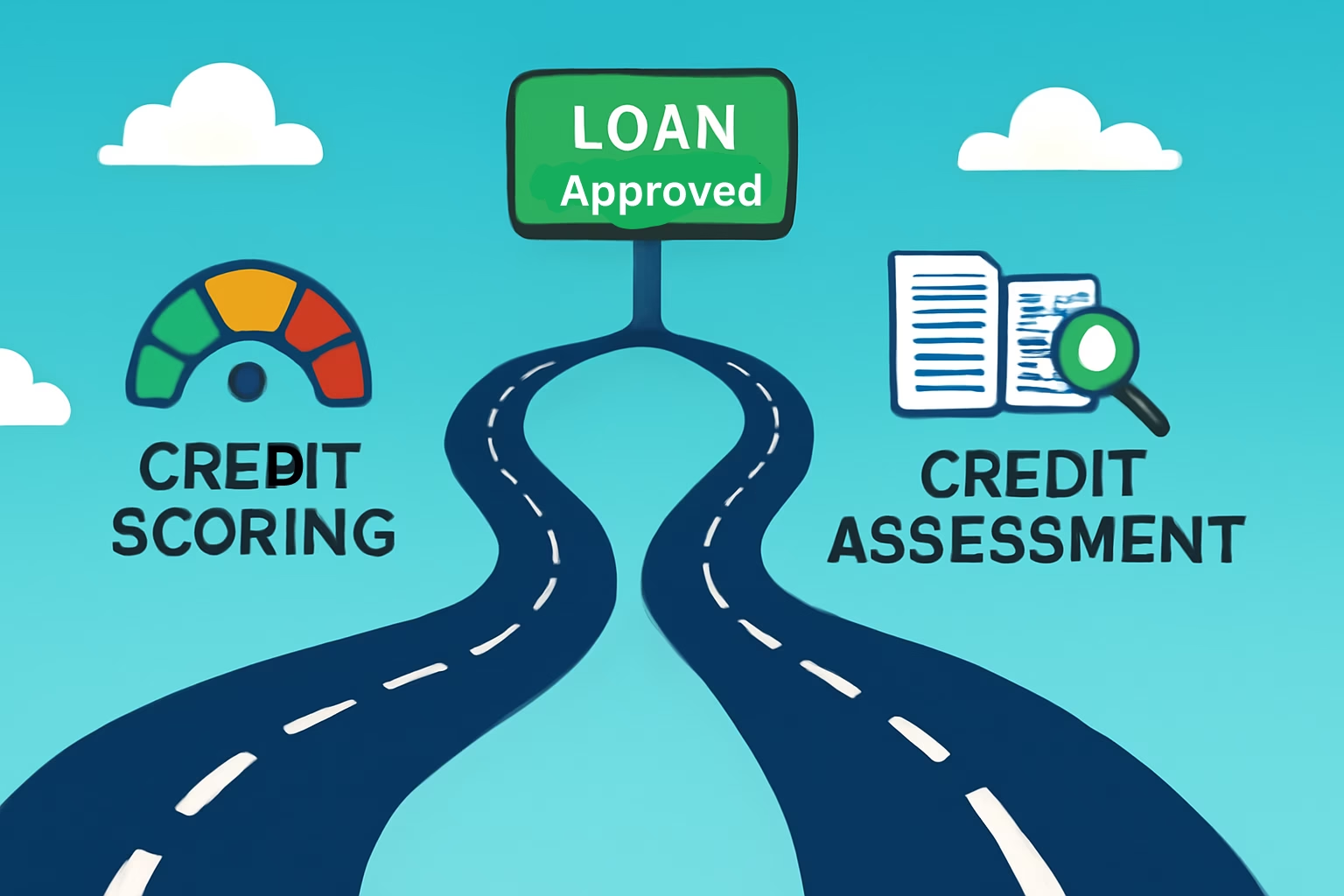
Integrating Credit Scoring with Credit Assessment: A Complete Guide for Lenders
Introduction Ever wondered how Amazon always seems to suggest exactly what you need? Imagine your lending decision process working the same way – fast, data‑driven, and highly accurate. For NBFCs, DSAs, and auditors, integrating credit scoring with credit assessment is no longer just an idea — it’s today’s competitive edge. 💡 For a complete framework

Understanding the Differences: Credit Assessment and Credit Scoring Explained Simply
If you think credit assessment and credit scoring mean the same thing, think again. These are two distinct but complementary steps that lenders, NBFCs, and auditors use to evaluate credit risk. Understanding their differences can help finance professionals make better lending decisions. What is Credit Assessment? Credit assessment is the process lenders and financial institutions

How to Conduct a Credit Assessment Using Bank Statements
Imagine you have to decide as a lender whether to approve a loan by flipping through pages—not of a credit report—but bank statements. Sounds old school? Well, it’s actually the secret sauce behind credit assessment for smarter lending decisions in today’s fintech world. Let’s dive into how these financial chronicles reveal creditworthiness beyond simple numbers.